A Designer's Practical Review of the Medical Sympol Embroidery File
When I'm evaluating a digital embroidery design for real-world projects, my first question is always, "Where does this design truly belong?" It’s not just about opening a file; it’s about visualizing the stitched result on a real product, in a real client’s hands. Today, I’m considering the Medical Sympol, a graphics design provided in a versatile zipped folder with SVG, Dxf, png, pdf, AI, JPG and eps formats. Let’s walk through what it means to use this design from the perspective of an embroidery designer and product creator.
The Immediate Mood and Visual Personality
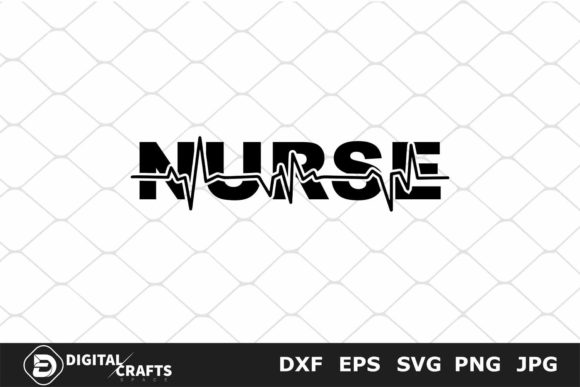
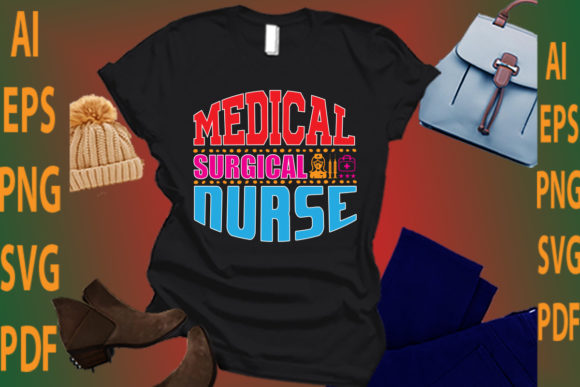
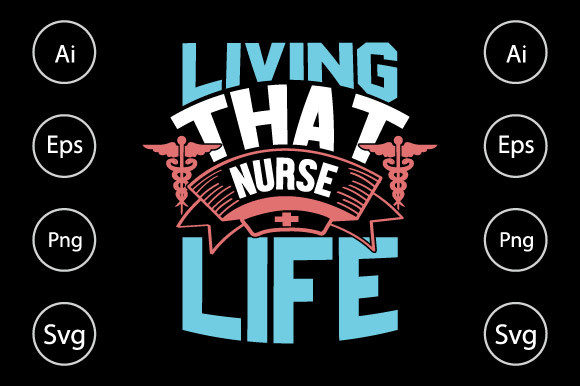
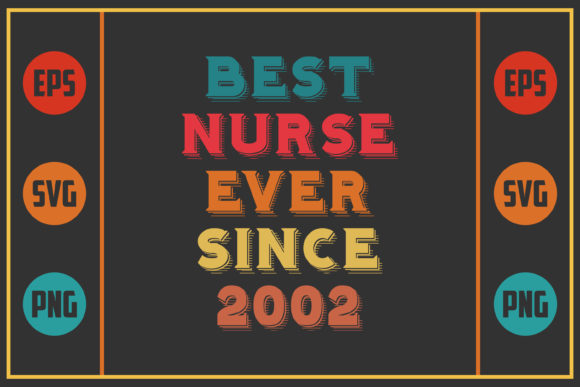
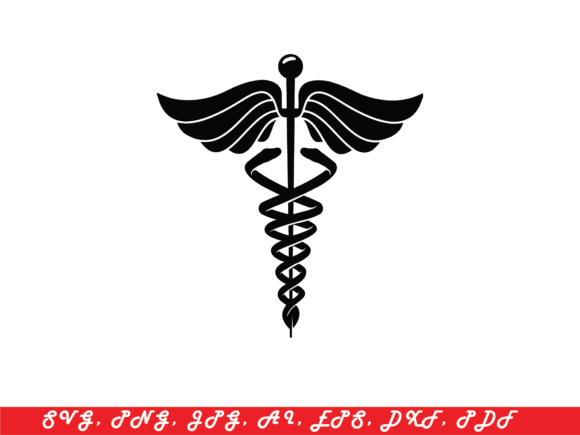
Opening the Medical Sympol files, the impression is clear: it’s a graphic symbol, likely representing a medical or healthcare theme. The design’s shape and layout feel structured and symbolic, carrying a sense of recognition and authority. This isn’t a playful, whimsical motif; it has a professional, almost institutional visual personality. For an embroidery designer, that immediately suggests specific applications. This design wouldn’t feel right on a whimsical baby bib, but it would feel perfectly authoritative on a nurse’s tote bag, a clinic’s staff apron, or a gift for a graduating medical student.
The detail level appears balanced for embroidery—likely clean lines and distinct shapes that can translate well into satin stitches or fill stitches without becoming overly dense. The theme itself creates a mood of trust, care, and professionalism, which is a powerful starting point for any project aiming to convey those values.
Where the Medical Sympol Finds Its Home
In practical embroidery situations, this design naturally fits into a niche but valuable category. Imagine a small business owner running a shop that sells personalized gifts for healthcare workers. They might be preparing a custom embroidered sweatshirt for a retiring doctor. The Medical Sympol, stitched neatly on the left chest, would be a dignified, recognition-focused accent. Similarly, for an apparel decorator working with a local clinic, embroidered caps with this symbol could serve as uniform-branded merchandise.
I envision it working well on sturdy, flat-surfaced items where its symbolism can be prominently displayed: sturdy tote bags used for carrying medical textbooks or supplies, high-quality pillow covers for a healthcare professional’s lounge, or even tea towels in a doctor’s home kitchen as a personalized gift. For crafters creating boutique products, this design could elevate simple items into meaningful gifts—think a neatly embroidered patch applied to a blanket, gifted to a nurse. The key is pairing the design with products that match its serious, professional tone. It adds perceived value and customer trust because it feels intentional and appropriate.
Considering Contexts for Careful Application
Not every project is a perfect fit. The Medical Sympol’s effectiveness depends heavily on execution. On small hoop sizes, for instance, if the design has intricate corners or tiny internal lettering, those details might lose clarity. Testing on scrap fabric first is essential to see how the stitch density handles the conversion from the digital file.
Textured fabrics like some sweatshirt materials or thin, stretchy fabrics could distort the clean lines. Embroidering on dark fabric requires careful thread color contrast planning—a light, bright thread might be necessary to maintain visual impact. Curved surfaces like caps can be tricky; the design’s layout must be tested to ensure it doesn’t warp awkwardly over the seam. For products that need frequent washing, like aprons or baby clothes (though medical-themed baby items are a very specific niche), the stitch integrity and stabilizer choice become critical to longevity.
This is where a designer’s practical judgment comes in. The design file’s versatility—with formats like SVG usable with Cricut Design Space, and Silhouette Designer Edition, Make the Cut, Sure Cuts A Lot—means it can be adapted for applique or other techniques, which might solve some of these challenges. But the core embroidery file needs to be evaluated for its own stitch behavior.
How the Symbol Affects the Finished Product
From a commercial perspective, using the Medical Sympol correctly enhances a handmade product’s presentation. It moves an item from generic to purpose-built. For an Etsy seller specializing in medical graduation gifts, this design provides a consistent, recognizable asset that can build brand consistency across listings. A well-embroidered symbol on a high-quality tote bag increases giftability and buyer engagement because it feels uniquely suited to the recipient.
Stitching clarity is paramount. A blurry, poorly stabilized rendition of this symbol would undermine the professionalism it’s meant to convey. In contrast, a crisp, clean embroidery job reinforces trust and recognition. For digital product sellers offering printable mockups or the design assets themselves, having a clean, professional preview image of the stitched concept is crucial for marketing.
A Designer's Notes Before Hooping the Fabric
Before I’d ever run this machine embroidery design for a client project, my process would involve several checks. First, I’d test it on a scrap of the actual project fabric—perhaps a sample of the twill for a cap or the cotton for a kitchen towel. I’d review the stitch density in the design file to see if it’s appropriate for the fabric weight; a very dense fill stitch on a thin tea towel could cause puckering.
I’d check thread color contrast by creating simple black and white mockups, then comparing how it might look on both light and dark fabric backgrounds. The choice of stabilizer would be decided based on this test. I would also inspect any small details in the provided formats to ensure they translate cleanly at the intended hoop size.
Finally, a critical step for any crafter or creative entrepreneur: confirming licensing. The product description doesn’t specify license terms. Before selling finished items like embroidered patches or commercial embroidery projects, or even selling the digital embroidery file itself, one must verify the permitted uses. This is a non-negotiable step for ethical and legal business practice.
The Real-Life Scenario: A Clinic's Anniversary Gift
Let’s picture a real case. A small embroidery shop is commissioned to create fifty embroidered pillow covers as anniversary gifts for a local clinic’s staff. The Medical Sympol is chosen as the emblem. The designer’s job is to ensure each piece looks identical, professional, and durable. Using the provided AI or EPS files might help with precise scaling for the digitizing software. The SVG compatibility with various cutting machines could also allow for creating precise applique templates if a layered applique design approach is preferred for texture.
The success of this bulk project hinges on the initial tests—confirming that the design doesn’t have overly dense areas that strain the machine over fifty runs, that the thread colors chosen (perhaps classic navy blue or white) stand out clearly on the pillow fabric, and that the finished product looks cohesive and high-value. A well-executed Medical Sympol on these gifts would reinforce the clinic’s brand and provide a tangible token of appreciation that feels carefully crafted.
In essence, the Medical Sympol is a graphics design with a specific, powerful aura. Its value in crafts isn’t universal; it’s contextual. For embroidery designers and makers targeting the medical, healthcare, or professional recognition niche, it’s a potent digital tool. For general hobbyists, it might be too specialized. But when applied with thoughtful design judgment—considering fabric, product type, stitching technique, and end-user meaning—it can transform a simple embroidered item into a meaningful, professional, and trusted finished product.