Nurse Heartbeat: An Embroidery Designer's Practical Review
The First Stitch: The Immediate Mood & Appeal
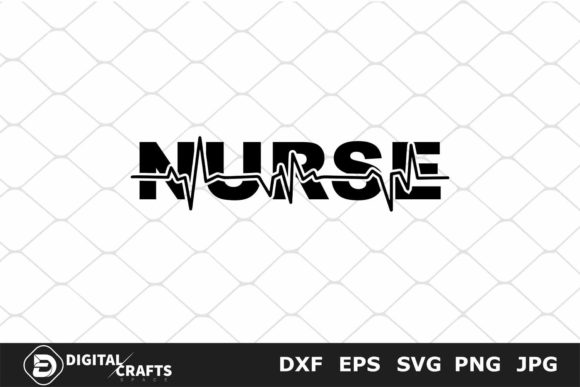
Opening the Nurse Heartbeat file, the first impression is one of warmth and clear, professional sentiment. The design isn’t overly whimsical or cartoonish; it carries a dignified yet heartfelt mood. The combination of a recognizable medical symbol with the heartbeat line creates a visual personality that is both appreciative and personal. This layout feels built for genuine connection, perfect for gifts that need to communicate respect and care without being overly sentimental. For embroidery designers working on client projects, this is a design that immediately signals its purpose and likely resonates deeply with its intended recipient.
Where This Design Finds Its Best Home
Let’s talk real projects. Imagine a custom order for an embroidered canvas tote bag, a gift for a nurse retiring after a long career. Nurse Heartbeat is a strong contender. Its balanced composition and moderate detail level mean it will scale well onto a bag panel without becoming overly dense or losing clarity. It would also shine on a high-quality sweatshirt for a nursing student, a subtle patch on a scrub cap, or a beautifully finished pillow cover for a nurse’s lounge or home decor. In my practical judgment, this design naturally belongs to personalized gifts, boutique merchandise for healthcare-themed small shops, and high-value commemorative items. It’s not a mass-market, flashy logo; it’s a design with emotional weight.
From Digital File to Stitched Fabric
The true test of any embroidery file is how it performs when the needle hits the fabric. Considering the likely shapes here—a heart, a line waveform, possibly text—the stitch density and pathing will be crucial. For a project like a baby blanket meant for a nurse’s newborn, you’d need to ensure the design isn’t too dense for the soft, often stretchy fabric. A medium-weight stabilizer would be essential. On a dark fabric apron for a coffee shop frequented by hospital staff, thread color contrast becomes paramount; a bright white or a contrasting color palette would make the heartbeat line pop. The included SVG and EPS files indicate good versatility for digital previews and printable mockups, which is a huge help for Etsy sellers and craft business owners creating product listings.
Careful Application: Where to Proceed with Caution
While promising, any design requires thoughtful application. Nurse Heartbeat likely contains smaller elements, like the details within the heartbeat trace or potential fine lettering. On curved surfaces like caps or hats, those tiny details can become muddy if not properly adjusted for the curvature and lower available space. Similarly, on very textured fabrics like some linen blends or terry cloth, the clarity of the linework could be compromised. I would advise against using this on very small hoop sizes unless you’ve confirmed the design simplifies well at a reduced scale. For products destined for frequent washing, like kitchen towels or daily-worn t-shirts, checking the stitch integrity in those small areas is a must—a few loose stitches in a dense fill area could unravel the whole sentiment.
A Real Scenario: Crafting for a Hospital Fundraiser
Picture this: a local craft business is creating embroidered tea towels and pillow covers for a hospital foundation’s holiday fundraiser. Nurse Heartbeat is selected for its thematic fit. Here, its performance affects visual appeal, product value, and customer trust directly. A clean, crisp stitch on a premium cotton towel elevates it from a simple craft to a cherished, giftable item. The design’s professionalism reinforces the brand consistency of the fundraiser itself. However, if the embroidery is shaky on the details or the colors bleed on dark fabric, it undermines the handmade presentation and buyer engagement. The difference is in the execution, guided by a designer’s practical prep.
Practical Designer Notes for Your Project
Before you commit this design to a final product, run through this checklist. These steps save time, material, and client satisfaction.
- Always test on scrap fabric first. Use the same fabric and stabilizer combination you plan for the final project.
- Check thread color contrast for both light and dark fabric backgrounds. How does it look in a black and white mockup for tonal balance?
- Review the stitch density in your machine software. Are there areas so dense they might pucker your chosen fabric?
- Confirm the hoop size you intend to use. Does the design have enough clearance for your hoop’s physical limits?
- Inspect the small details. Zoom in on the file. Are there any corners or junctions that might require a slower stitch speed or a tweak?
- Use proper stabilizer. This is non-negotiable for professional results, especially on stretchy or thin fabrics.
- Confirm licensing. The product description notes digital files for various software, but before selling finished embroidered items or commercial embroidery projects using this design, verify the license terms. This is crucial for digital product sellers and creative entrepreneurs.
The Final Impression: Value Beyond the Stitches
Nurse Heartbeat, when executed well, transcends being just a machine embroidery design. It becomes a vehicle for recognition and appreciation. On a custom apparel item, it adds significant perceived value. For a handmade shop owner, it offers a design asset that can be consistently applied across a product line—totes, aprons, patches—building a cohesive brand story. Its giftability is high, and its emotional resonance translates directly into customer satisfaction. In the crowded world of craft business and Etsy listings, a design that is both aesthetically clear and thematically strong, backed by careful embroidery technique, is what separates a hobbyist project from a professional, sellable finished product. My final judgment is that this design holds substantial practical promise for real-world embroidery work, provided it is treated with the thoughtful preparation any quality craft deserves.