This Nurse Design: A Practical Embroidery Review
First Impression: Warm, Clear, and Ready to Stitch
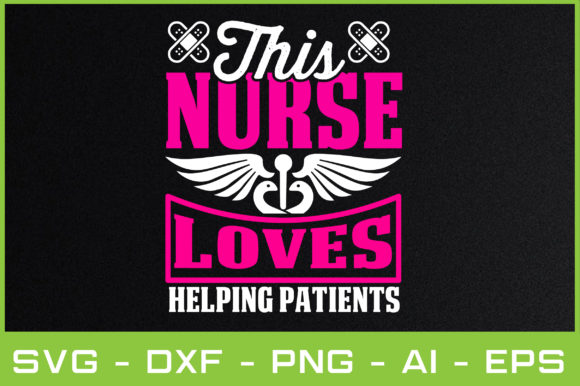
When you open the file for This Nurse Loves Helping Patients, you immediately get a sense of its purpose. The design isn't overly complex or fussy; it feels warm and professional. The layout is centered around the core message, with the text being the dominant feature. The personality is straightforward and heartfelt—a design that speaks directly to the wearer's identity or to the gratitude of a patient. It naturally belongs to projects meant for recognition, appreciation, or personal pride. For an embroidery designer, this suggests a design that will translate well to stitch, with clear areas for fill and satin stitches without too many tiny, problematic details.
The Ideal Project: Where This Design Truly Shines
In my experience, the best use for this design is on items meant as a gift or a personal statement. Imagine preparing a custom embroidered tote bag for a nurse finishing a tough residency. The design’s message is perfect for that. It would also look excellent on the breast pocket of a cozy sweatshirt or on a crisp apron for a home healthcare worker. For small business owners crafting boutique merchandise, this could be a lovely addition to a line of ‘appreciation’ products—think pillow covers or tea towels for a nurse's kitchen. The design’s clarity means it will retain its readability even when stitched out, which is crucial for customer satisfaction and the perceived value of your handmade product.
Beyond Apparel: Versatility in Craft Business
This isn't just for wearables. As a digital embroidery file, it could be used to create beautiful patches, which nurses could attach to their bags or lanyards. It would make a thoughtful element on nursery decor for a neonatal nurse, or a personalized gift like a blanket. For Etsy sellers and digital product sellers, the provided file formats mean you can easily create printable mockups to showcase the design in your listings, helping potential buyers visualize the finished product on different items.
Navigating the Stitching Process: Real-Life Considerations
In real embroidery situations, the performance hinges on preparation. On a standard cotton tote bag or a mid-weight sweatshirt, this design should stitch out cleanly. The text is the focal point, so paying close attention to thread color contrast against your fabric background is key. A crisp white satin stitch on a dark heather gray sweatshirt, for example, would look professional and engaging. For baby clothes or thinner fabrics, you’ll need to be more cautious. The stitch density, especially in the lettering, might require a good stabilizer to prevent puckering on lightweight knits.
Points for Careful Execution
Some applications require extra thought. On curved surfaces like caps, the longer text line might need careful hooping and possibly a smaller hoop size to fit comfortably on the front panel. Stretchy fabric could distort the clean lines of the letters if not stabilized properly. I would avoid trying to scale this design down too much for very small hoop sizes; the lettering needs space to remain legible. Dark fabric backgrounds are fine, but they demand a bright, opaque thread to maintain visual appeal and stitching clarity. Always test on scrap fabric first—this is my cardinal rule for any commercial embroidery project or custom apparel.
Impact on Your Business and Craft
Using a design like This Nurse Loves Helping Patients affects more than just the stitchout. For creative entrepreneurs, it adds a product with inherent emotional value, which boosts giftability and buyer engagement. A customer looking for a gift for a nurse will instantly recognize the thoughtfulness. For your brand, consistently offering well-executed, clear designs builds customer trust and presents your handmade shop as professional. The design’s straightforward theme means it won’t clash with various brand aesthetics; it’s a complementary asset.
When you deliver a finished product with this embroidery, the message is clear and proud. It feels complete, not overly decorative. This helps in selling, as the product’s purpose is immediately communicated. For apparel decorators, this means fewer questions from clients and a smoother path from order to satisfied delivery.
Practical Designer Notes Before You Hoop
Before running this machine embroidery design for a client project or your own craft business items, do a few checks. Review the stitch density by looking at the design in your software—are there any overly dense areas that might be tough on thin fabric? Inspect the small details, particularly the dot on the “i” and the spaces between letters, to ensure they’ll stitch cleanly at your intended size. I always test a design in both black and white mockups to see how it might look on light and dark backgrounds; it saves thread and frustration.
Use a proper stabilizer suited to your base fabric; this is non-negotiable for maintaining quality on items like aprons or pillow covers that might need frequent washing. Also, crucially, confirm the licensing terms for this digital product before selling finished items or incorporating it into commercial embroidery projects. The product listing states it’s a digital download with multiple file formats, but the specifics for commercial use are something you must verify independently.
A Final Thought on Application
This Nurse Loves Helping Patients is a graphics file that, when approached with practical embroidery knowledge, becomes a reliable and meaningful design asset. It fits a specific, appreciative niche perfectly. Whether you’re preparing holiday gifts, small shop merchandise, or personalized gifts for a nurse, this design has the visual personality to convey a sincere message through your stitches. Just remember the fundamentals: test first, choose your fabric and thread wisely, and let the clean, heartfelt design do its work.