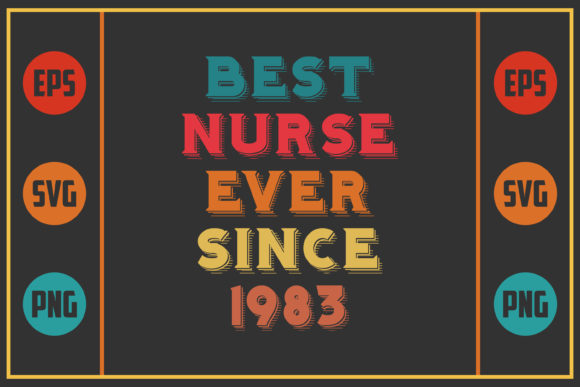
A Design Review: Is 'Best Nurse Ever 1983' a Practical Embroidery Asset?
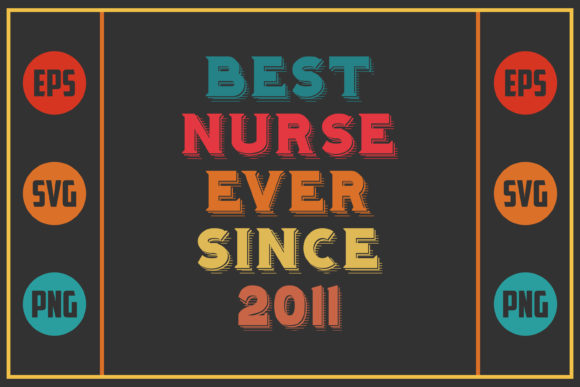
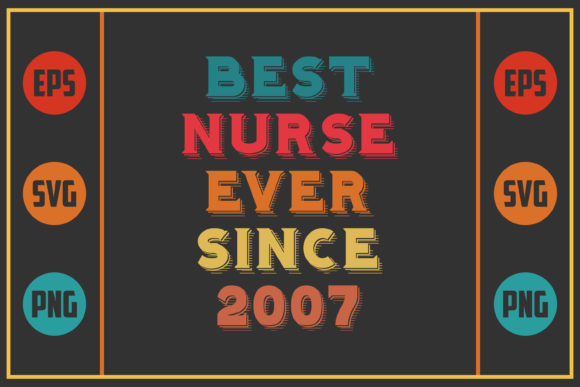
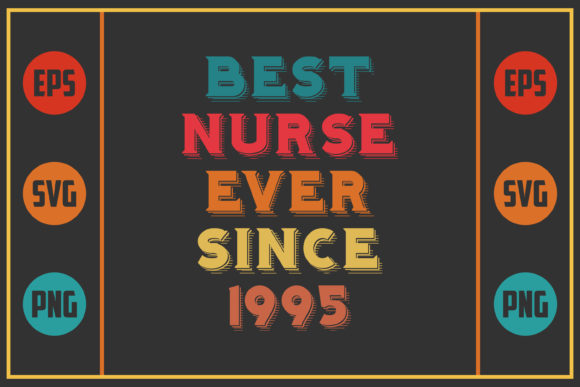
When I first opened the Best Nurse Ever Since 1983 embroidery file, my immediate thought was, "This is for a specific, proud person." It’s not a generic nurse graphic; it’s a celebration of longevity and dedication. The design’s personality leans into a classic, heartfelt recognition, perfect for honoring a career milestone. The layout suggests a central, celebratory motif, likely with that significant year integrated. For an embroidery designer, this isn't just a graphic; it’s a story waiting to be stitched onto something meaningful.
The Natural Project Fit: Where This Design Thrives
In my practice, I mentally place a design onto potential products. Best Nurse Ever Since 1983 feels destined for personalized gifts and custom apparel. Imagine a nurse retiring after decades of service. A commemorative tote bag, a cozy sweatshirt, or a crisp apron embroidered with this design becomes a cherished token. For small business owners crafting boutique merchandise—think Etsy shops or craft fair booths—this file is a ready-made asset for creating "thank you" gifts for healthcare workers. It also fits beautifully on pillow covers for a nurse's home decor or on a high-quality patch for a work bag.
The mood is respectful and proud, making it highly giftable. For apparel decorators, it’s a strong candidate for left-chest placements on polo shirts or as a focal point on the back of a hoodie. The visual appeal here hinges on clarity: that year needs to be readable. A well-embroidered version on a clean, stable fabric like cotton or twill will enhance the product’s value and feel professional.
Considering the Stitching Reality
Moving from digital file to finished product requires a practical eye. As a reviewer, I’m thinking about real embroidery situations. On a dark fabric like a navy sweatshirt, you’d need to plan thread colors for contrast—perhaps a bright white or a pastel fill for the main elements. The stitch density will be crucial; too dense on a lightweight tee could cause puckering, while on a sturdy canvas tote it would look superb.
Small details, like the numbers in "1983," demand attention. I’d advise testing the design on scrap fabric first, especially if you plan to use it on textured fabrics like towels or on curved surfaces like caps. A good stabilizer is non-negotiable here to maintain the design’s integrity. For baby clothes or delicate blankets, the scale might need adjustment to ensure it doesn’t overwhelm the garment or become too stiff after stitching.
Where to Exercise Caution
While versatile, some applications require careful thought. Tiny hoop sizes might compromise the detail level, making small lettering blurry. On very stretchy fabric or thin fabric without proper stabilization, the design could distort. Also, consider products needing frequent washing, like kitchen towels or everyday wear—a robust stitch structure and quality thread will ensure longevity.
For commercial embroidery projects or small shop merchandise, the design’s clarity directly impacts customer trust and brand consistency. A crisp, clean finish makes a handmade product look professional. Before selling finished items, always confirm the licensing terms of the digital embroidery file. The product description states it’s a digital download, an SVG file, so it’s geared for machine use, but verifying commercial use rights is a designer’s responsibility.
Practical Notes for the Embroidery Designer
My routine before committing a design to a client project involves several checks. For Best Nurse Ever Since 1983, I would:
- Test stitch it on a light and dark background scrap to judge thread color contrast.
- Review the stitch density in my software preview to gauge if adjustments are needed for the target fabric.
- Confirm the hoop size needed for the intended product—does it fit a standard 4x4 hoop for a cap, or does it require a larger field for a bag?
- Inspect the small details, particularly any corners or decorative accents, to anticipate potential stitching challenges.
- Use printable mockups or black and white previews to visualize the design on different products before stitching.
This process isn’t just about technical success; it’s about ensuring the final embroidered product resonates. Will the recipient feel the honor it intends? Will a customer at a craft fair stop and appreciate its specificity? That’s the real measure of a good design asset.
The Final Impression: A Design with Purpose
Best Nurse Ever Since 1983 falls into the category of graphics that serve a clear, emotional purpose. It’s not a mass-market generic design; it’s a targeted celebration. For creative entrepreneurs and makers, this means your finished product—whether a holiday gift, a wedding gift for a nurse couple, or a line of boutique nurse appreciation items—has a built-in story. The design’s value increases when applied thoughtfully.
From an embroidery designer’s point of view, it’s a practical file if you understand its scope. It invites satin stitches for smooth text, fill stitches for solid areas, and likely running stitches for finer lines. Its success depends on your skill in pairing it with the right fabric, stabilizer, and thread palette. When executed well, it creates a piece of recognition that feels both personal and professional, elevating a simple craft into a meaningful keepsake. In the world of machine embroidery designs, that’s a worthwhile achievement.