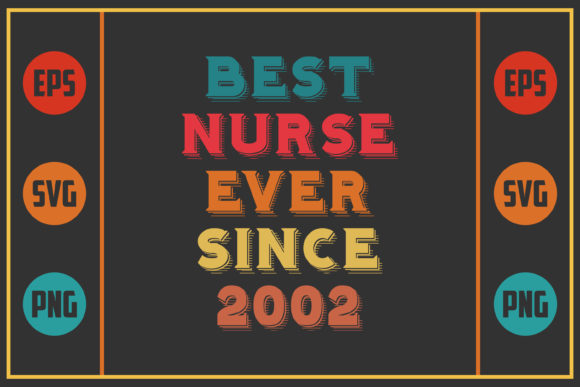
A Designer's Review of the Best Nurse Ever Since 2002 Embroidery File
When I first opened the Best Nurse Ever Since 2002 embroidery design, my immediate thought was, “This feels like a legacy gift.” The layout isn’t overly flashy; it’s grounded and respectful, with a classic, almost commemorative personality. That “Since 2002” detail is the real hook—it’s not just a generic nurse appreciation graphic. It’s a design built for personalization, for marking a specific journey. This creates a mood of celebration and recognition, which is exactly what you want for a custom apparel project or a heartfelt gift.
The Kind of Projects This Design Naturally Belongs To
In my mind, this design immediately lands on a keepsake. I pictured it on a premium cotton tote bag for a nurse retiring after decades of service, or beautifully stitched onto a soft blanket as a surprise gift from a family. It has the visual weight to stand as a central motif on a sweatshirt or a pillow cover, making it perfect for boutique merchandise aimed at healthcare professionals or their loved ones. For small business owners and Etsy sellers, this design translates into products with strong emotional value—it’s not just a decoration; it tells a story.
Thinking about commercial embroidery projects, like a small shop producing custom patches for a hospital event, the theme is universally understood and appreciated. The clear, declarative style ensures good recognition, which boosts buyer engagement. When a customer sees a finished product with this design, it communicates professionalism and care, enhancing both the product’s value and customer trust in your handmade presentation.
Where Best Nurse Ever Since 2002 Really Shines in Embroidery
Let’s talk real-life application. I envisioned testing this on a navy blue apron for a nurse who loves to cook—the contrast would be striking. On a baby item, like a little onesie for a new mom who’s a nurse, it becomes a adorable and personal tribute. For holiday gifts or wedding gifts for someone in the profession, it’s a thoughtful and unique choice. The design’s composition suggests it would stitch out cleanly on stable fabrics like canvas for tote bags, mid-weight cotton for kitchen towels, or fleece for blankets. It likely uses satin stitches for the bold lettering and fill stitches for the main graphic element, which would give a satisfying, textured finish.
For apparel decorators, this is a strong candidate for the center of a cap or the front of a polo shirt—areas where a clear, bold statement works well. In printable mockups for your digital product listings or as a design asset in your craft business, the clean lines of the SVG file mean it will present well visually, even before stitching.
Practical Considerations Before Hooping Your Fabric
Now, the practical designer judgment. The “Since 2002” lettering is the detail that demands attention. For embroidery clarity, those numbers need to be large enough to be legible after stitching. This means you should carefully consider hoop size. A very small hoop might compromise those details. Always, always test this embroidery file on scrap fabric first, especially if you plan to use it on textured fabrics or stretchy fabric like some t-shirts. This allows you to review stitch density and inspect how the small details, like the corners of the numbers, actually sew out.
Dark fabric backgrounds will require thoughtful thread color contrast—a bright white or a metallic silver might be excellent choices to ensure visual appeal. For curved surfaces like caps, you’ll need to consider how the rectangular layout of the design adapts, and using a proper stabilizer is non-negotiable. On thin fabric, the potential stitch density could cause puckering, so adjustments might be needed. My strong advice: test it in both light and dark fabric mockups, even digitally, to plan your thread palette.
Scenarios Where You Should Use This Design Carefully
While this is a versatile graphics file, some applications need a careful approach. Layered garments with complex seams might distort the design layout. Products that need frequent washing, like everyday tea towels, require you to ensure the stitch construction is robust enough to handle it. The design likely has areas of decorative accents that could become overly dense on very small items, so for baby clothes or tiny patches, a scaled-down version might be preferable, if the file permits.
As a professional reviewer, my core note is this: your finished product’s quality hinges on your preparation. Confirm the licensing terms for this digital embroidery file before selling any finished items or commercial embroidery projects. The product description states it’s a digital download only, an SVG file. This format is incredibly versatile for machine embroidery design, but you must verify its compatibility with your specific software and embroidery machine setup, and understand any restrictions for digital product sellers.
Turning a Digital File into a Meaningful Finished Product
Ultimately, Best Nurse Ever Since 2002 is more than a craft graphic; it’s a design tool for creating connection. Its strength lies in its specificity. For creative entrepreneurs, it offers a way to produce personalized gifts that feel exclusive and commemorative. Stitched onto a high-quality tote bag or a warm sweatshirt, it becomes a badge of honor, a piece of handmade product that acknowledges a real story.
For your craft business or Etsy listings, showcasing this on a well-executed embroidered patch or apron immediately signals an attention to detail that customers value. It boosts brand consistency if you specialize in appreciation-themed items. The key is to treat the design as a starting point. Your skill in choosing the right fabric, thread colors, and product context will unlock its full potential. So, hoop your scrap fabric, run a test, and see how this design translates from a digital file into stitches. That’s where the real design judgment happens, and where you’ll discover if it’s the right fit for your next embroidery project.