An Embroidery Designer's Review of the Medical Lab Test Microscope
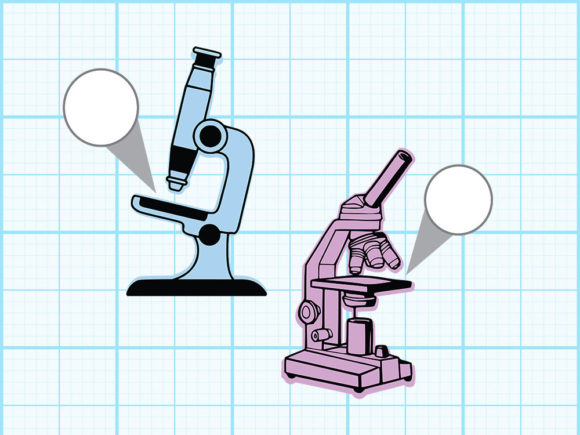
When I first opened the Medical Lab Test Microscope embroidery file, my immediate thought was, "This is wonderfully niche, and that's its strength." The design captures a specific, professional mood—one of precision, science, and quiet dedication. It's not a flashy, whimsical graphic; it's a symbol with a clear story. The layout, with its classic microscope silhouette, feels balanced and iconic. For embroidery, that's a fantastic starting point. It promises clean lines and a design that will be recognized instantly, which is a huge plus for creating products with immediate visual communication.
The Natural Habitat for This Design
In my hands, reviewing this for real project use, I picture it embroidered on a tote bag for a medical student or a lab technician. It’s perfect for a personalized gift that says, "I see your work and I celebrate it." The design's personality leans towards thoughtful, professional, and slightly academic. It naturally belongs on items for a boutique that caters to healthcare professionals, or as a custom patch on a nurse's jacket. I can also see it working beautifully on a crisp apron for someone who loves science-themed kitchen decor, or on a pillow cover in a home office. Its appeal is in its specificity. For an Etsy seller or a small shop owner, this isn't a mass-market cartoon; it’s a design that will attract a customer looking for something that resonates with their identity or profession.
Where It Shines in Real Stitching
Thinking about actual embroidery, this graphic has a lot of potential. On a heavyweight sweatshirt or a canvas tote bag, the clean outlines would translate well into satin stitches for the microscope body and fill stitches for the base. On baby items, like a onesie for a child of a scientist, it would need to be scaled down carefully, but the iconic shape would still be charming. As a standalone patch, it could be very effective—a finished product with a professional feel that could be sold as a badge of passion. For holiday gifts, think beyond Christmas; this could be a perfect graduation gift or a congratulations present for someone passing their exams.
In commercial embroidery projects, like a batch of caps for a research team or lab, the design offers a consistent, recognizable brand asset. For digital product sellers, the provided file formats, like the PNGs with transparent backgrounds, are excellent for creating printable mockups to list in your shop, showing customers exactly how it would look on a garment.
Points of Caution for a Perfect Finish
As a designer, I always think through where a design might need extra attention. For the Medical Lab Test Microscope, the detail in the eyepiece and the stage knobs are areas to watch. When stitching on small hoop sizes, perhaps for a child's garment or a tea towel corner, those tiny elements might need simplification in your machine settings to avoid overly dense stitch clusters that could pucker the fabric.
Stretchy fabrics like t-shirts require excellent stabilizer to keep the design crisp. On dark fabric, thread color contrast is critical; a lighter, bright thread for the main body might be needed to make it pop. Embroidering on curved surfaces like caps means checking the design layout in your software to ensure it fits the curvature without distortion. For products that will undergo frequent washing, like kitchen towels or everyday apparel, a robust stitch density and quality thread will help maintain the design's integrity over time.
How This Design Elevates Your Project
Using this embroidery file well impacts more than just aesthetics. It boosts the perceived value of a handmade product. A customer receiving a custom embroidered pillow with this design feels you understood them—it’s a gift with thought behind it. For a craft business, it adds a professional, niche item to your lineup that can build trust with a specific audience. The clarity of the stitching, if executed well, reinforces your brand's quality. It’s a design that engages buyers looking for something beyond generic patterns, which can lead to better conversion in your Etsy listings or at craft fairs.
Practical Notes from the Embroidery Machine
Before I'd ever run this for a client or my own shop, my routine is the same: test on scrap fabric first. Use the same fabric and stabilizer you plan for the final product. Check how the small details render. Review the stitch density in your software preview—does it look balanced? I'd also test the design in both black and white digital mockups to see how it feels on light and dark backgrounds virtually, which saves time and thread.
A crucial note for all designers and makers: this product includes multiple vector and cut files, which suggests versatility. However, always confirm the specific licensing terms for the embroidery file itself before using it in commercial projects or selling finished items. The description mentions it can be used with Silhouette cutting machines, but for embroidery, you must ensure your machine software can properly import the provided format for stitching.
Thread color choice is key here. On light fabrics, darker, richer tones for the microscope will give it authority. On dark fabrics, consider a metallic or bright white for the main structure to achieve that lab-equipment gleam. Fabric texture matters too; a smooth cotton will show the details best, while a textured linen might give it a more rustic, handmade charm.
In the end, the Medical Lab Test Microscope embroidery design is a tool. Its value is realized by how you apply it. It’s a graphic with a clear purpose, waiting for a designer like you to stitch it into a product that tells a real story—for a gift, for a business, or for a personal project that celebrates the meticulous beauty of science.