Nurse Medical Premedical: A Design Review from an Embroidery Worktable
As a designer who regularly translates digital files into stitched reality, I’m always looking at a design with a practical eye. How will it actually perform on fabric? Today, I’m evaluating the Nurse Medical Premedical design, considering its potential for real embroidery projects, client work, and handmade products.
The First Impression: Clean, Recognizable, and Ready for Applique
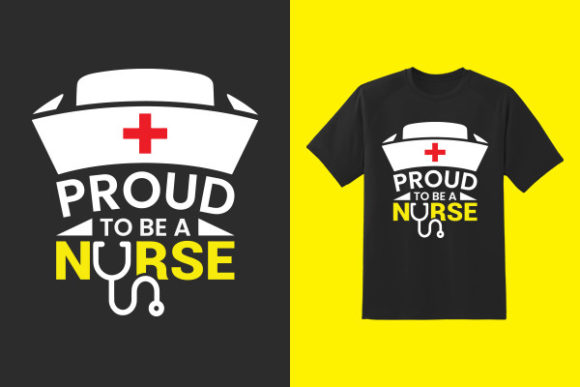
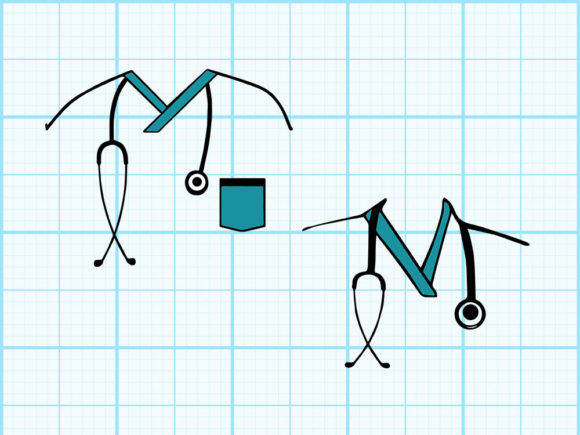
Right away, the mood here is professional and heartfelt. The theme is clear and universally understood, which is a huge advantage. The layout feels balanced, and the level of detail appears tailored for clean stitching—not overly dense. This isn’t a hyper-realistic illustration; it’s a graphic with a visual personality that leans toward classic and appreciative. It naturally belongs to projects meant to honor, gift, or celebrate someone in the medical field.
I’m picturing it on a custom embroidered tote bag for a nursing student, or as a personalized patch on a sweatshirt. The design’s clarity suggests it would stitch out beautifully as an applique, where fabric layers add texture, or with confident satin stitches for bold outlines.
Where This Design Finds Its Perfect Project Home
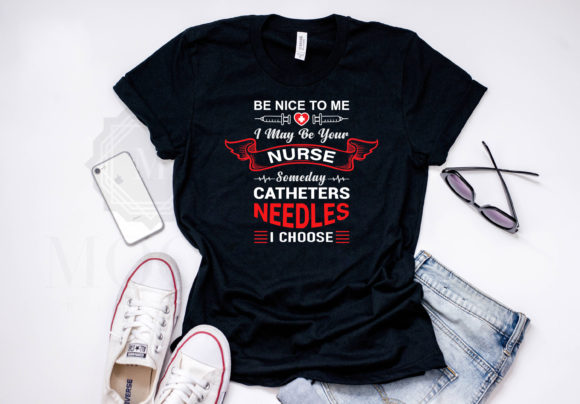
In real-life embroidery situations, Nurse Medical Premedical has a wide application range. For custom apparel like t-shirts or polos, it would serve as a dignified logo. On a sturdy tote bag or apron, it becomes a statement for someone’s profession. For baby clothes or nursery decor celebrating a parent’s role, it adds a sweet, meaningful touch. As a finished embroidered patch, it’s instantly salable at craft fairs or in an Etsy shop.
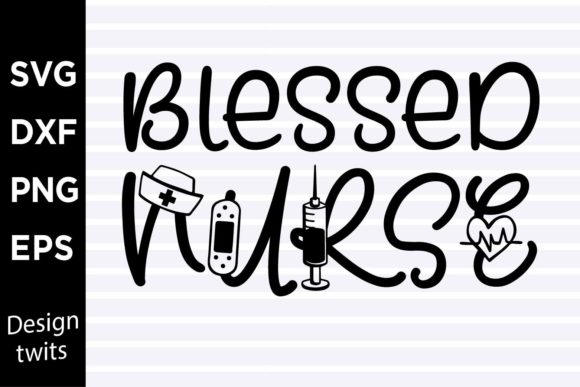
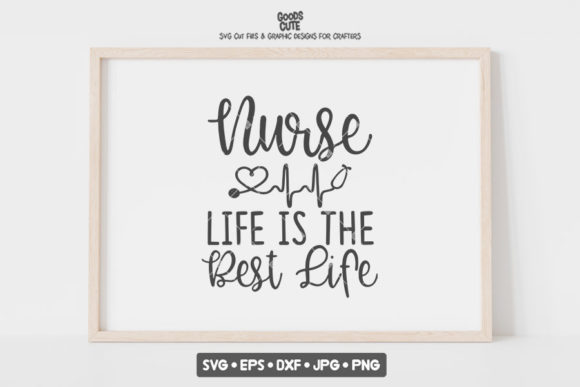
It also excels beyond the hoop. The included file formats, like the PNGs with transparent backgrounds, make it a versatile digital product asset. You can create printable mockups for your online listings, or use it in commercial embroidery projects for small business merchandise, like boutique-branded thank-you gifts for healthcare clients. The recognition factor is high, which boosts buyer engagement.
A Real Scenario: Crafting a Gift for a Graduating Nurse
Let’s say I’m preparing a congratulations gift—a high-quality embroidered pillow cover. I’d choose a smooth, mid-weight fabric. The design’s clear shapes would allow for excellent stitching clarity, making the finished product look polished and valuable. That handmade presentation, when clean and precise, builds customer trust and feels professional. This design, stitched well, elevates the gift from simple to significant.
Considerations for Stitching Success
While promising, every design requires thoughtful application. For Nurse Medical Premedical, there are places to use carefully. If adapting it for very small hoop sizes, any tiny lettering or intricate corners might need simplification to prevent thread crowding. On highly textured fabrics or stretchy fabrics like some t-shirts, a robust stabilizer is non-negotiable to maintain shape.
Embroidering on dark fabric demands careful thread color contrast planning—you might test a light underlay. Applying it on curved surfaces like caps requires checking that the design’s proportions will look correct when curved. For products destined for frequent washing, like kitchen towels, ensuring the stitch density is appropriate for the fabric weight is key to longevity.
How This Design Impacts Your Craft Business
From a small business owner’s perspective, a design like this affects several areas. Its visual appeal is direct and emotive, which can enhance product value. For an Etsy seller specializing in personalized gifts, it fills a clear niche demand. Using it consistently across a line of products—totes, caps, patches—can strengthen brand consistency for a shop focused on medical themes.
The giftability and recognition are inherent, making it easier to market. For apparel decorators, it’s a reliable, professional design that clients will understand immediately. It supports both personal and commercial projects, but as always, confirming the specific licensing terms for the digital file before selling finished items is a fundamental step.
Practical Notes from the Embroidery Desk
Before loading the embroidery file and starting a project, here’s my standard practice. I always test the design on scrap fabric first, using the same material I plan for the final product. This reveals how the stitch density behaves and allows me to inspect small details. I check it in both light and dark fabric backgrounds using software mockups. I review the provided formats to ensure compatibility with my machine or cutting system for any applique component.
Since exact hoop size requirements or thread counts aren’t detailed here, I’d advise checking the specific design parameters within your software before hooping your final project fabric. This simple step prevents misalignment and ensures the Nurse Medical Premedical design translates into a finished product you’re proud to stitch, sell, or give.
Ultimately, this design feels like a solid, versatile asset in the Crafts and Graphics space. It’s not overly complex, which is often a strength for reliable embroidery. It speaks clearly to its audience. With practical testing and thoughtful application to the right product, it can become a beautifully stitched tribute, a bestselling shop item, or a cherished handmade gift.