Night Shift Nurse: A Design Review for Embroidery Projects
The First Stitch: A Design That Speaks to a Community
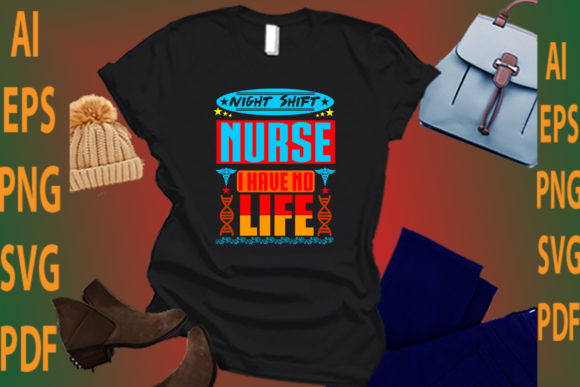
When you first open Night Shift Nurse I Have No Life, the impression is immediate and clear. This isn't a generic, feel-good graphic; it’s a statement piece with a specific, relatable personality. The theme taps directly into a well-known sentiment within the nursing and healthcare community—that unique blend of humor, exhaustion, and pride. For an embroidery designer, this translates into a project with inherent emotional resonance. The layout, with its central text-based declaration, feels like it was made for a clean, bold application. It’s not overly detailed, which is excellent news for stitch clarity, but it carries a strong visual mood that’s both candid and witty.
Where This Design Thrives in Real Projects
From a practical standpoint, Night Shift Nurse I Have No Life is a versatile embroidery file. Its straightforward nature means it adapts well to a variety of projects. I’ve considered it for several real-world applications, and it shines on items meant for personal use or as a personalized gift within the healthcare field.
Imagine preparing a custom embroidered sweatshirt or a cozy hoodie for a nurse friend. The design’s message is perfect for a gift that acknowledges their hard work with a touch of humor. It would stitch out cleanly on the fleece-backed fabric of a sweatshirt, becoming a cherished, wearable badge of honor. Similarly, a sturdy canvas tote bag makes a fantastic canvas for this design—a practical item a nurse could use daily, with a private joke stitched right on.
For small business owners and Etsy sellers targeting niche communities, this graphic is a strong candidate for a range of merchandise. Think embroidered patches that can be ironed onto scrub caps, simple tea towels for a nurse’s kitchen, or even pillow covers for a bit of lighthearted bedroom decor. The design’s clear statement drives buyer engagement because it speaks so directly to a specific audience’s experience.
A Scenario: Crafting a Boutique Apron for a Nurse
Let’s walk through a specific scenario. I’m planning to create a set of boutique aprons as gifts for a nursing team. Using Night Shift Nurse I Have No Life on the apron’s pocket or across the chest creates a product that feels handmade, personal, and professionally executed. The key here is testing. Before stitching on the final apron fabric, I run the design on a scrap of similar weight cotton. I check the stitch density on the lettering to ensure it’s not too dense for the fabric, which could cause puckering, and I confirm my hoop size can accommodate the design’s width for a balanced placement.
The reaction I anticipate? Smiles and immediate recognition. This isn’t a vague, decorative motif; it’s a conversation starter that adds value because of its targeted appeal. For a creative entrepreneur, that targeted appeal is gold—it helps build brand consistency if you focus on healthcare-themed gifts and boosts the giftability of your finished product.
Considerations for Stitching Success
While Night Shift Nurse I Have No Life is adaptable, a professional designer knows that every embroidery project has its nuances. There are areas where this design requires a bit more thoughtful application.
The design, being primarily text-driven, means small details matter. On very small hoop sizes, the clarity of the lettering could become compromised. It’s wise to avoid miniaturizing it onto, say, a baby clothes item where the scale might make the stitching fuzzy. Similarly, textured fabrics like thick towels or looped sweaters can obscure clean lines. For best results, smooth, stable fabrics are your friend.
Dark fabric backgrounds require careful thread color selection. The design’s impact relies on contrast. You’ll want to test a few high-contrast thread color options on a dark scrap first—a bright white or a bold color that pops. Also, on curved surfaces like caps, the flat, linear layout might need slight repositioning to follow the curve gracefully. Always use a proper stabilizer suited to your base material; this is non-negotiable for maintaining the design’s integrity on stretchy fabric or garments that will need frequent washing.
Practical Notes for Your Embroidery Project
- Always test first. Run the embroidery file on a piece of scrap fabric identical to your final project material. This reveals everything: stitch density issues, thread tension needs, and overall appearance.
- Check color contrast. Create simple black and white mockups or visualize the design on both light and dark backgrounds. This helps plan your thread palette for maximum visual impact.
- Inspect the provided formats. The product description lists AI, EPS, PNG, SVG, and PDF files. For machine embroidery, you will typically convert the SVG or use the vector files to create your specific embroidery file format. The PNG is excellent for creating printable mockups for your Etsy listings or digital product previews.
- Confirm licensing for commercial use. Before selling finished items like embroidered tote bags or sweatshirts, verify that the commercial use of the design is permitted. The description mentions it's a graphics product, but the specifics are crucial for your craft business.
- Think about stitch type. This design likely translates well to a combination of satin stitch for bold lines and fill stitch for solid areas, but your embroidery software will determine the final stitch types. Review the paths in the vector file to anticipate where running stitches or denser fills might occur.
The Final Impression: A Design with Purpose
Evaluating Night Shift Nurse I Have No Life from the perspective of real project use confirms its strength as a niche design asset. It won’t be for every project or every customer, but that’s precisely its power. For embroidery designers and makers serving the healthcare community, or for a nurse crafting a gift for a colleague, it offers a ready-made, emotionally intelligent statement. Its clean layout promises stitching clarity, and its relatable theme builds immediate customer trust and connection.
When you stitch it onto a final product, the result feels professional and purpose-driven. It elevates a simple apparel item or home good into a personalized gift or a meaningful piece of small shop merchandise. By approaching it with practical steps—testing, considering fabric, and ensuring proper licensing—you transform this digital embroidery file into a finished product that genuinely resonates. That’s the mark of a design worth hooping up.