Best Nurse Ever Since 2001: A Designer's Hands-On Review
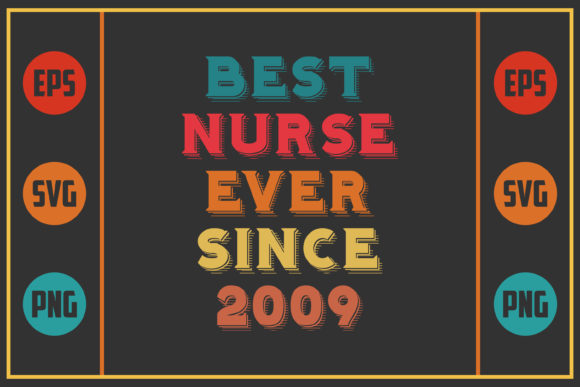
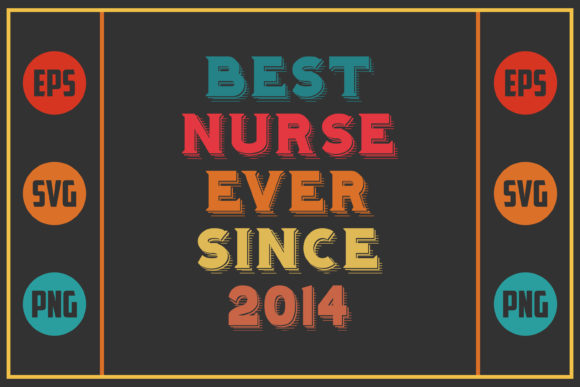
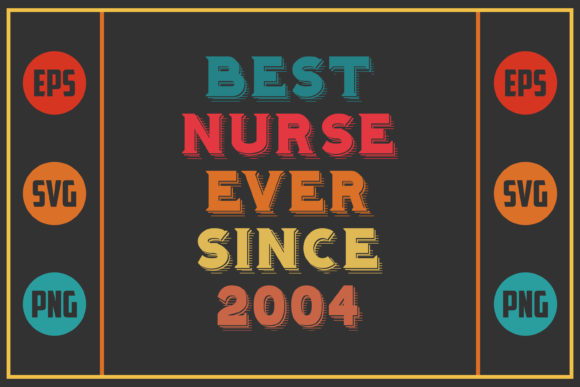
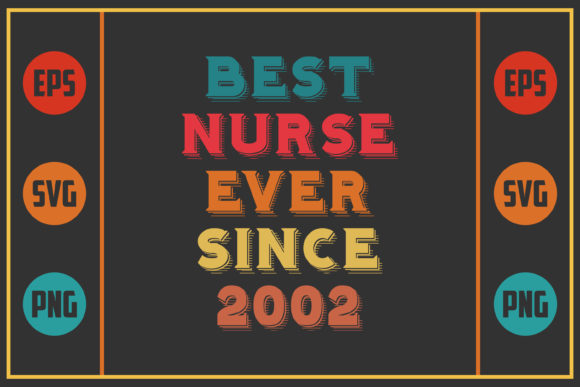
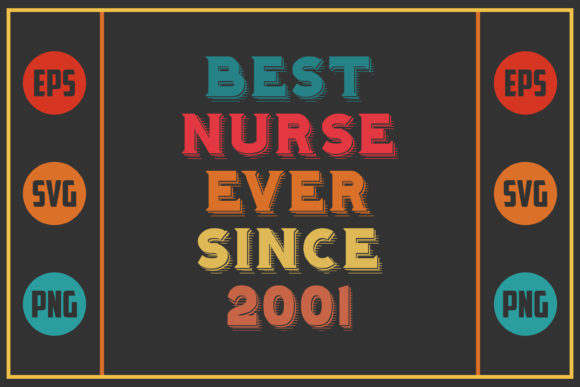
Let’s talk about a design that caught my eye recently: Best Nurse Ever Since 2001. As someone who stitches designs for clients and my own small shop, I don’t just look at files—I think about how they’ll breathe on fabric. This one, a graphics file offered as an SVG, is clearly a tribute piece. I immediately pictured it stitched onto a gift for a nurse, maybe a veteran of the profession celebrating that 2001 milestone. The mood is appreciative, personal, and proudly specific.
First Impressions & Where It Belongs
The layout feels like a classic recognition badge. The phrase “Best Nurse Ever Since 2001” isn’t just text; it’s the central theme, suggesting a celebration of long-term dedication. Visually, this isn’t a overly detailed scenic piece—it’s a statement. That makes it a natural fit for projects where the message is the hero. I’m thinking instantly of a custom embroidered tote bag for a nursing conference gift, a crisp patch on a denim jacket, or the centerpiece on a pillow cover for a nurse’s lounge. Its personality is straightforward and proud, which is perfect for personalized gifts.
The Real-Life Embroidery Scenario: A Boutique Tote Bag
Imagine you’re preparing a custom tote bag for a nurse’s retirement party. You want something professional, heartfelt, and durable. Using Best Nurse Ever Since 2001 as the main embroidery design, you’d consider scale. On a tote bag’s broad canvas, this design could be rendered at a confident size, making the year and title clear and impactful. The clean lines of an SVG file mean the lettering should translate well into satin stitches or a solid fill stitch, offering good readability. That clarity builds customer trust—they see a finished product that looks intentional and well-crafted.
Performance Across Projects: Strengths & Considerations
This design’s strength is its focused message. For custom apparel like sweatshirts or t-shirts, it acts as a badge of honor. On baby clothes for a nurse mom? Perhaps a smaller rendition on a bib. For holiday gifts or wedding gifts for a nurse friend, stitched onto a kitchen towel or blanket, it becomes a uniquely tailored heirloom. As a small shop product, you could offer it on caps or aprons, appealing to a very specific community. For commercial embroidery projects, like items for a hospital gift shop, it has direct recognition value.
However, the specificity of “Since 2001” means your market is narrower—but also more deeply engaged. It’s not a generic “Thank You Nurse” design. That’s a plus for giftability and perceived thoughtfulness.
Where to Use With Care
Because the design likely relies on clean lettering and potentially a detailed year, there are applications where you’ll need to be meticulous. On very small hoop sizes, the smaller text might lose clarity if stitch density is too high. Embroidering on textured fabrics like some sweaters, or stretchy fabrics like certain t-shirts, requires excellent stabilizer to keep those lines sharp. Dark fabric backgrounds will demand thoughtful thread color contrast—a bright, crisp white or a strong color palette to pop.
On curved surfaces like caps, the layout’s orientation needs checking in your software to ensure it sits well. And for products needing frequent washing, like baby clothes or tea towels, a robust stitch construction is key. I’d avoid overly dense stitch areas in tiny lettering to prevent puckering on thin fabric.
The Impact on Your Craft Business
From a business perspective, using a design like this effectively boosts your handmade presentation. It shows you can handle specific, meaningful commissions. For an Etsy seller or digital product seller, this design as a graphics asset could be part of a printable mockup for a customer preview, helping visualize the final embroidered product. It supports brand consistency if your shop focuses on tribute or profession-themed items.
The professional feel comes from execution. A well-stitched version on a polo shirt or a neat patch looks considered and high-value. It’s not a mass-market graphic; it feels crafted.
Practical Designer Notes Before You Stitch
My routine before any project, especially with a design that has definitive text like this, involves a few critical steps.
- Test on scrap fabric first. Use the same material and stabilizer you plan for the final project.
- Check thread color contrast against your background fabric. Do a black and white mockup in your software to see value contrast.
- Review stitch density in your embroidery file conversion. Ensure small details like the numbers in “2001” are not overly packed.
- Confirm your hoop size can accommodate the design at the size you want, with room for clean edges.
- Remember, this product listing specifies it’s a digital download with an SVG file. As an embroidery designer, you’ll need to convert and configure this for your machine. Always confirm licensing for your intended use, whether for personal projects or commercial embroidery products.
Since exact stitch counts, hoop sizes, and machine compatibility aren’t detailed in the provided description, it’s essential to check these in your embroidery software after conversion. The SVG gives you the vector shape, but the embroidery parameters are your next crucial step.
Final Thoughts on Fit & Feel
Best Nurse Ever Since 2001 is a design with a clear mission. It’s not for every project, but for the right one—a tribute, a milestone gift, a professional acknowledgment—it hits the mark perfectly. In the hands of a thoughtful maker, it becomes more than an embroidery file; it becomes a story stitched into fabric. For your craft business, it’s a design asset that can help you fill a specific, heartfelt niche. Stitch it with attention to detail, and it will reward you with a finished product that feels both personal and professionally made.