A Heartfelt Design for Celebrating Dedicated Nurses
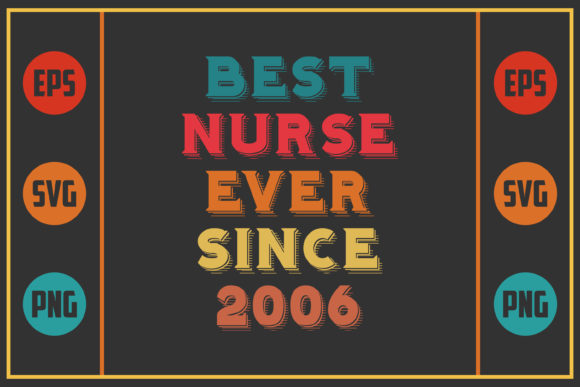
When a digital embroidery file lands in your library, the first question is always: will this design hold up in a real project? Let’s walk through "Best Nurse Ever Since 2006" from that perspective. As a designer who regularly turns graphics into stitched products, my evaluation starts with its visual personality and ends with its practical performance on fabric.
The Warm, Personal Feel of This Nursing Design
This design immediately strikes a tone of genuine appreciation. The central year "2006" gives it a personalized, milestone quality, suggesting it’s for celebrating a specific career length or a meaningful anniversary. It avoids generic, cartoonish nurse imagery, leaning instead into a more heartfelt, text-focused aesthetic. This creates a mood of respect and personal recognition, which is exactly what you want for a custom gift. The layout feels balanced, with the year acting as a visual anchor. For embroidery, this means a clear focal point that won’t get lost in stitching.
Where This Design Naturally Belongs
In my studio, I’m picturing this on a crisp, canvas tote bag for a nurse heading to work, or beautifully stitched onto the chest of a high-quality sweatshirt for a "thank you" gift. It has the weight and presence to stand alone as a statement piece. It would also be perfect for a commemorative patch, perhaps sewn onto a blanket or displayed in a frame. For baby clothes or delicate nursery decor, it might be too bold unless scaled down carefully, but for adult apparel, aprons, pillow covers, or kitchen towels intended as gifts, it feels perfectly suited. The theme lends itself beautifully to holiday gifts—think Nurse’s Week or Christmas—and to boutique products aiming for a sentimental, professional audience.
Performance in Real Embroidery Situations
Moving from screen to stitch is where a design proves its value. For "Best Nurse Ever Since 2006," the clarity of the text and the potential detail in the year numerals are key. On a dark fabric like a navy sweatshirt, with bright white or light blue thread, this design would pop with excellent contrast and stitching clarity. On a tote bag or apron, the stitch density needs to be sufficient to withstand use and washing, which this design’s solid elements should support well. When considering curved surfaces like caps, the layout would need to be adapted or scaled to fit the contour without distorting the central year.
For commercial embroidery projects or small business merchandise, such as a line of "appreciation" products for healthcare workers, this file offers a ready-made, professional design asset. It could anchor a whole collection of nurse-themed items in an Etsy shop or craft fair booth. Its straightforward, respectful nature builds customer trust; it feels like a thoughtful handmade product, not a mass-produced graphic. This enhances perceived value and giftability.
Scenarios Where Extra Care is Needed
This design demands attention in a few specific contexts. On very thin or stretchy fabric, the potential stitch buildup, especially in the denser areas of the numbers, could cause puckering without proper stabilizer. Embroidering it onto textured fabrics like some sweaters might lose detail in the smaller lettering. If you’re working with a small hoop size for a tiny project, like a baby bib corner, the intricate details might blend together unless you simplify or boldly resize the entire graphic. Always test on scrap fabric first.
Dark fabric backgrounds are a classic choice for this theme, but ensure your thread color contrast is planned—a mockup in black and white can help visualize the final clarity. For products destined for frequent washing, like kitchen towels, review the stitch density and ensure your machine settings are optimized for durability.
Practical Notes for the Working Designer
Before loading this embroidery file, a few professional checks are standard. Since the product details specify an SVG file, confirm its compatibility with your specific machine or software setup for conversion to an embroidery format. Check the licensing terms for your intended use; if you’re selling finished items or incorporating it into digital product previews for your shop, clear licensing is essential for commercial projects.
- Always stitch a test sample on a scrap of your target fabric.
- Evaluate thread color choices against both light and dark backgrounds.
- Confirm the hoop size needed for your desired finished product size.
- Inspect the small details, like the numerals, in your test stitch for clarity.
- Use a stabilizer appropriate for your fabric type to maintain crisp edges.
- Consider how the design works for both personal gifts and potential business merchandise.
The "Best Nurse Ever Since 2006" design, as a Crafts graphic, translates into a sturdy, sentimental embroidery project. It affects visual appeal by offering a clean, meaningful statement. It supports brand consistency for a maker focused on appreciation-themed products. Ultimately, its success hinges on that practical translation from digital file to physical stitch—a process that, when done with care, results in a product that truly feels like a tribute.