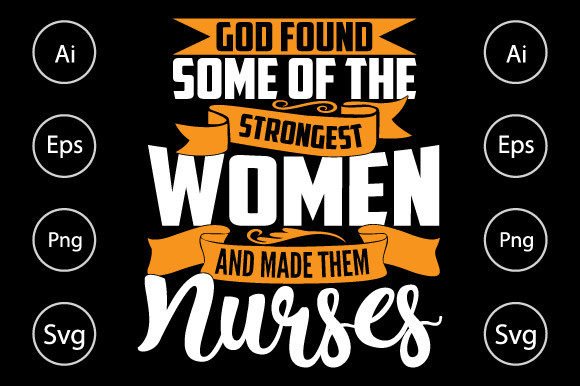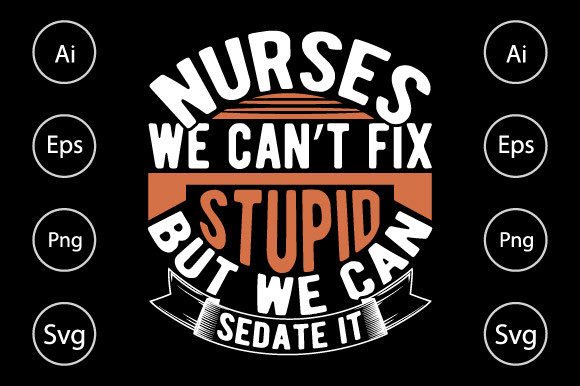
A Designer’s Look at the “Nurses We Can’t Fix Stupid” Embroidery Design
The First Impression: A Bold Statement with Design Merit
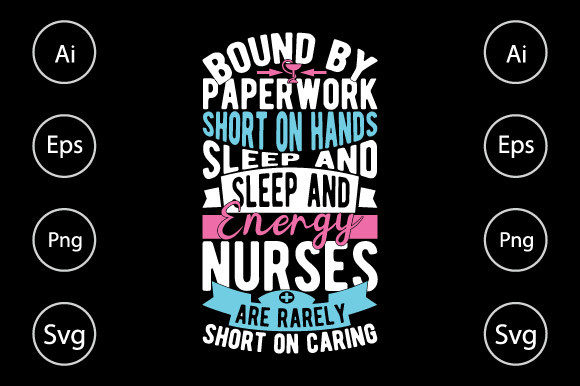
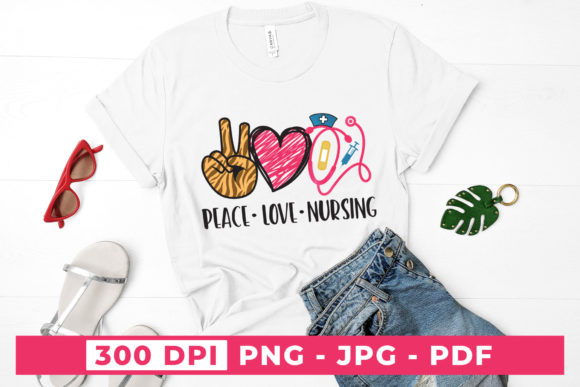
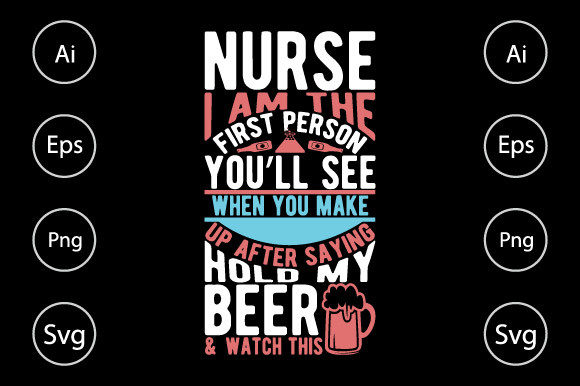
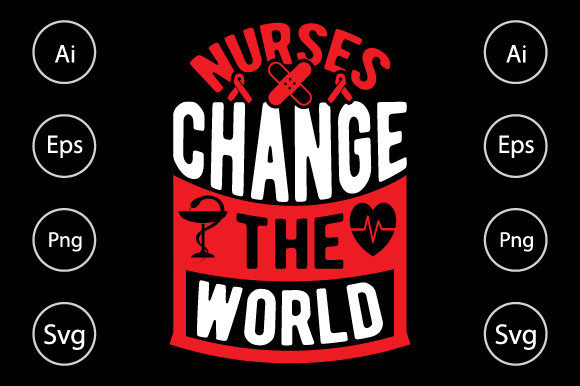
When you first open the “Nurses We Can’t Fix Stupid, Nurse Design” file, its personality is immediately apparent. It’s not a delicate, sentimental piece; it’s a confident, wry statement with a bold graphic sensibility. The layout feels balanced, with the text as the clear hero. This isn’t just a throwaway phrase slapped into a font. The design elements suggest it was built with intent, which is crucial for us as makers. A design with strong visual personality, like this one, translates into an embroidered product that feels professional and considered, not just a novelty.
Where This Design Thrives in Real Projects
I’m thinking about this from the perspective of preparing a custom order. A client, perhaps a nurse herself or someone buying a gift for one, wants this on a heavyweight sweatshirt or a sturdy canvas tote bag. Those are perfect applications. The bold statement benefits from a substantial fabric base. It would also excel as a stand-alone embroidered patch, applied to a backpack or apron, giving the recipient the flexibility to move it around. For small business merchandise—say, an Etsy shop specializing in medical humor—this design could be a cornerstone for a line of products like mugs or posters, using the provided files as assets for printable mockups.
The Sweet Spot: Medium to Large Scale Embroidery
The scale implied by the provided high-resolution PNG file suggests this design is meant to be seen. I would naturally lean toward larger hoop sizes for embroidery. Imagine it centered on the back of a sweatshirt or spanning the front of a chef’s apron. On these surfaces, the stitch clarity will be excellent. The density, if well-optimized in the embroidery file itself, will create a solid, readable finish that adds real value to the handmade product.
Where to Exercise Caution
While the design is strong, its application needs thoughtful placement. Small hoop sizes on delicate items, like a baby bib or a thin tea towel, would be a mismatch. The likely stitch density needed for clean lettering could overwhelm lightweight fabrics. Similarly, embroidering it onto a curved surface like a baseball cap requires careful digitization to avoid distortion of the text; you’d need to verify the provided SVG or EPS files are adaptable for that purpose. Dark fabrics will demand a careful thread color choice—a bright, contrasting white or a vibrant color to maintain the design’s impact and readability.
A Note on Texture and Detail
Textured fabrics, like a loosely knit sweater, can obscure clean lettering. For this design to retain its sharp, confident feel, a smooth, stable fabric is ideal. Always test on scrap fabric first. This step is non-negotiable. It lets you check the interaction of stitch density with your chosen material and confirm that any small details in the design’s accompanying graphics (if present) stitch out cleanly without becoming muddy.
The Practical Impact on Your Craft Business
Using a design like this isn’t just about stitching; it’s about the final product’s appeal. On a high-quality sweatshirt, it becomes a statement piece with high giftability, especially within the medical community. For an Etsy seller or boutique, it contributes to brand consistency if your shop leans toward bold, humorous gifts. The professionalism of the finished embroidery—clean stitches, good contrast, thoughtful placement—builds customer trust and elevates the item from a simple craft to a desirable product.
Embroidery Designer Notes for a Smooth Project
- Always test first. Run the embroidery file on your chosen fabric scrap with your intended stabilizer.
- Evaluate color contrast. View the design in black and white mockups to judge its form, then plan thread colors for both light and dark backgrounds.
- Confirm licensing. The description says “You can use the design.” but for commercial embroidery projects or selling digital products using these files, ensure your use aligns with the provided terms.
- Consider the product lifecycle. Items like kitchen towels or apparel that need frequent washing benefit from a robust stitch construction. Check the stitch density in your machine embroidery file to ensure durability.
A Real-Life Scenario: Crafting a Holiday Gift Tote
Let’s walk through a real case. You’re making a set of custom tote bags as holiday gifts for a nursing team. You select a sturdy, natural canvas. The “Nurses We Can’t Fix Stupid” design, embroidered in a crisp navy blue thread, becomes the focal point. Its boldness matches the sturdy fabric, and the scale allows it to be a clear, central motif. The result is a useful, personalized gift with a strong visual identity that resonates with the recipients’ profession. It feels specific and thoughtful, not generic. That’s the power of a well-chosen design applied with practical embroidery insight.
Final Thoughts for the Maker
The “Nurses We Can’t Fix Stupid, Nurse Design” offers a solid foundation for a range of projects. Its strength is its clear, graphic statement, which translates well into medium and large-scale embroidery on stable fabrics. Success lies in your execution: proper stabilizer, thoughtful thread choice, and suitable product selection. Avoid forcing it onto items where its scale and density would become a liability. When paired correctly, it can produce embroidered goods that carry a confident, professional, and engaging handmade presentation, perfectly suited for craft businesses, personalized gifts, and commercial embroidery projects where a bit of bold humor is welcomed.