A Designer's Take on the Nurse Life Embroidery Design
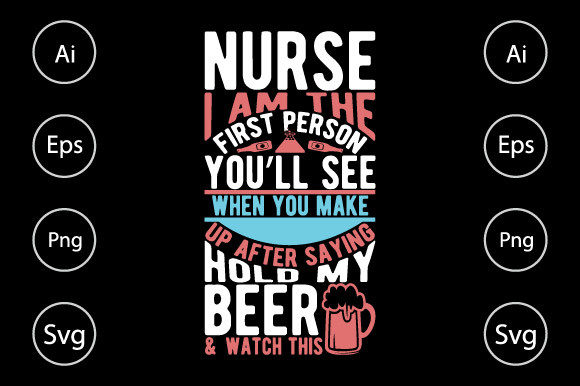
When you're scrolling through endless embroidery files looking for something with real character, the ones that stand out usually have a story to tell. The Nurse I Am the First Person, Nurse Life design is one of those. As someone who evaluates designs for professional use—whether for my own client projects, products for my small shop, or simply to understand what makes a design work—my first impression wasn’t just about the graphics. It was about the mood. This design doesn't whisper; it declares. It’s confident, humorous, and has that immediate, relatable personality that feels tailor-made for a community.
The Visual Personality & Where It Belongs
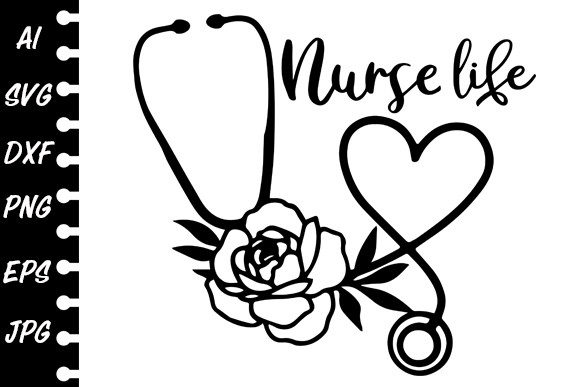
The layout is straightforward and bold, which is a huge advantage for embroidery. Complicated, overly detailed designs can lose clarity when stitched, especially on textured fabrics. Here, the elements are clear and the message is front and center. The theme is unmistakably about nursing life, with that specific, insider wit that comes from lived experience. This isn’t a generic medical logo; it’s a conversation starter.
In terms of visual personality, it feels modern and direct. The included file formats—especially the SVG and high-resolution PNG—tell me it’s built for scalability, which is crucial. As a designer, I look at a file like this and immediately start picturing it on specific products. For me, it naturally belongs on items meant as a gift, a statement, or a piece of professional identity.
I picture this design embroidered onto a high-quality crewneck sweatshirt for a nurse finishing a tough shift, or as a crisp, clean patch on a sturdy canvas tote bag used for work. It would be perfect on a custom apron for a home healthcare worker, or even as a subtle but meaningful detail on a pillow cover in a nurse’s lounge. The design carries enough weight to be a centerpiece, but the layout suggests it wouldn’t overwhelm a garment.
Performance in Real Embroidery Projects
Let’s talk real use. Imagine you’re preparing a batch of embroidered tote bags for a craft fair, targeting healthcare professionals. You want each piece to feel handmade and special, but also professionally executed. A design like Nurse I Am the First Person, Nurse Life, when stitched well, adds tremendous value. The clarity of the text and elements means the final product will be readable and impactful from a distance, which is key for booth sales.
For client projects, such as a custom embroidered hoodie for a nursing unit, this design fosters immediate recognition and camaraderie. It’s a shared joke, a badge of honor. That translates into customer trust and engagement; they see you’ve understood their world. For an Etsy seller creating personalized gifts, this design is highly giftable. A new graduate, a retiring nurse, or a team celebrating a milestone—the design speaks directly to them.
The inclusion of an AI Illustrator file and EPS formats is a strong signal for commercial embroidery and digital product sellers. It means the design can be adapted, integrated into larger branding assets, or used in printable mockups with high quality. For someone selling the finished digital embroidery file itself, these source files are a significant asset.
Caution Areas & Practical Considerations
No design is perfect for every scenario, and practical judgment is what separates a good project from a flawed one. With this design, the boldness is a strength, but it requires some thought in application.
You should be careful with very small hoop sizes. If you try to shrink it down too much for, say, a baby cap or a tiny detail on a cuff, the text and definition might become cramped and lose its clean impact. Similarly, on highly textured fabrics like certain sweaters or on stretchy fabrics without proper stabilizer, the larger, solid areas could potentially distort or pucker if the stitch density is high.
Dark fabric backgrounds require careful thread color selection for contrast. A white or bright satin stitch on a black sweatshirt will pop beautifully, but you must test it. The same goes for curved surfaces like baseball caps; the layout needs to be positioned so it sits well on the curve without awkward breaks.
As for products that need frequent washing, like kitchen towels or everyday apparel, a robust stabilizer and quality thread are non-negotiable to maintain the design's integrity over time.
Essential Designer Notes Before You Stitch
My absolute rule, and I advise this to every crafter and small business owner: test the design on scrap fabric first. Use the same material you intend for the final product. This reveals everything: how the stitch density feels, whether small details like corners in the lettering stitch out cleanly, and how the thread colors interact with your fabric.
Check it in both light and dark fabric mockups, even digitally, to plan your projects. Use proper stabilizer for the fabric type; don’t skip this step for a design meant to be a professional product. Review the provided file formats and confirm the licensing terms before selling any finished items or commercial products. The product description lists several vector and raster formats, which is excellent, but always verify the license for your specific use case.
For handmade presentation and brand consistency, this design works best when treated as a feature. Don’t crowd it with other elements. Let it be the statement. On a baby item or nursery decor, for instance, it would be more suited as a gift for a nurse parent rather than a generic baby theme—context matters.
Ultimately, Nurse I Am the First Person, Nurse Life is a graphics file with a strong, specific voice. In the world of craft and embroidery, that’s a valuable thing. It’s not just a pattern; it’s a ready-made idea for a product that will resonate with a real audience. Your job as the maker is to bring it to life with the same confidence it was designed with, paying attention to the practical details that ensure the final embroidered product looks as good on fabric as it does on screen.