A Designer’s Hands-On Review of the Educated Drug Dealer Nurse Files
The First Impression: Witty, Bold, and Ready for Stitching
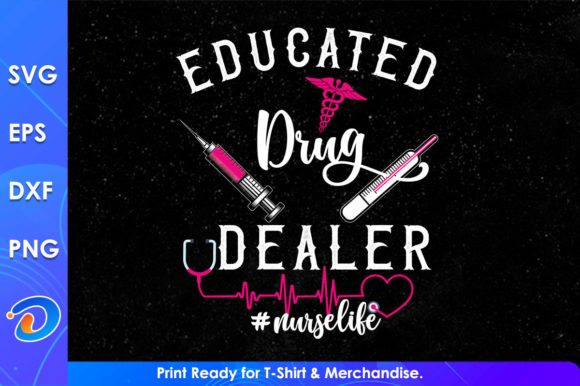
When I first opened the Educated Drug Dealer Nurse Cricut Files, my immediate reaction was a smile. This design has a playful, confident personality. It’s not just text; it’s a statement with a clever layout that feels both modern and a bit rebellious. The visual weight is balanced, and the phrase itself carries a tone that’s humorous yet proud—perfect for a niche, knowing audience. As a graphics file intended for cutting machines, it translates directly into a crisp template for applique designs or intricate satin stitch outlines. This isn’t a delicate floral pattern; it’s a bold declaration meant to be seen.
Where This Design Thrives in Real Projects
Let’s picture a real scenario. I’m preparing a custom order for a nurse’s retirement party gift—an embroidered tote bag she’ll use for her new hobbies. The client wants something personal, funny, and durable. The Educated Drug Dealer Nurse design fits perfectly. Its bold lines promise excellent stitching clarity on a bag’s canvas fabric. I can envision it on a high-quality sweatshirt for a nursing student, a clean apron for a healthcare-themed boutique, or even as a standalone embroidered patch for a backpack. The design’s theme naturally aligns with personalized gifts within the medical community, holiday embroidery for a co-worker, or as small shop merchandise in an Etsy store catering to medical professionals.
A Natural Fit for Apparel and Home Goods
The strength of this embroidery file is its versatility for statement pieces. On custom apparel like t-shirts and hoodies, it becomes a centerpiece. On baby clothes (for a nurse’s newborn, perhaps with a softer color palette), it becomes a sweet, ironic keepsake. For home goods, imagine it on a pillow cover in a home office or a kitchen towel in a fun, medical-themed kitchen. It adds product value by turning a simple item into a conversation piece. For a craft business, this design can anchor a whole line of nurse-themed products, enhancing brand consistency for a creative entrepreneur focused on healthcare humor.
Practical Considerations for Embroidery Success
While the design is bold, its successful translation into a finished product depends on thoughtful execution. The potential challenges aren’t in the design’s concept, but in its physical application.
Navigating Fabric and Detail Challenges
On textured fabrics like some sweaters or on stretchy fabric like certain tees, the clean lines could lose definition if stabilizer isn’t used perfectly. Dark fabric backgrounds require careful thread color contrast planning—a bright, contrasting thread is essential for readability. For small hoop sizes or projects with tiny lettering details, you must check the scale; the design might need slight adjustment to ensure all elements are distinct and not too dense. Embroidering on curved surfaces like caps requires testing to see how the layout accommodates the curve. The stitch density in any filled areas should be reviewed to prevent puckering on thin fabric.
The Customer Reaction & Professional Presentation
From a customer trust and professionalism perspective, a well-embroidered version of this design speaks volumes. It shows you understand your audience’s inside humor. As a handmade presentation, it feels personal and clever, boosting giftability and buyer engagement. For commercial embroidery projects, it’s a ready-made design asset that can be scaled across products, from craft fair products to boutique branding items. However, its niche theme means it will resonate deeply with a specific group, not universally.
Essential Designer Notes Before You Hoop
Before committing this to a client’s project or your own small shop product, here’s my practical checklist.
- Always test on scrap fabric first. Use the same material and weight as your final project to check for any issues with pull or distortion.
- Check thread color contrast against both light and dark backgrounds. Create simple black and white printable mockups to visualize the layout purely as shape.
- Review the design in your software at the intended size. Inspect small details and corners to ensure they are clear and not too intricate for your chosen hoop size.
- Use proper stabilizer for your fabric type. This is crucial for maintaining the design’s crispness, especially on bags or apparel.
- Confirm the licensing terms. Since this is a digital embroidery file from a Crafts category, verify whether it’s for personal use, commercial use, or both before selling finished items or incorporating it into your digital product listings.
- Consider the end product’s lifestyle. If it’s a baby embroidery item or something needing frequent washing, plan your threads and stitches for durability.
The Final Stitch: A Design with Purpose
The Educated Drug Dealer Nurse Cricut Files are more than just a downloadable graphic. They are a template for creating products with personality and pointed humor. In the hands of a designer thinking through real embroidery projects, it becomes a tool for making memorable gifts and merchandise. Its success lies not in hype, but in its clear, bold form and its perfect alignment with a specific, appreciative community. As with any digital embroidery file, your skill in translating it from screen to stitch—with attention to fabric, technique, and context—will determine how powerfully that personality shines through in the finished product. Approach it with a practical, confident mindset, and it will undoubtedly stitch up into something special.