A Designer's Honest Review: Using the Nurse Design for Real Projects
The Immediate Charm of This Nursing Theme
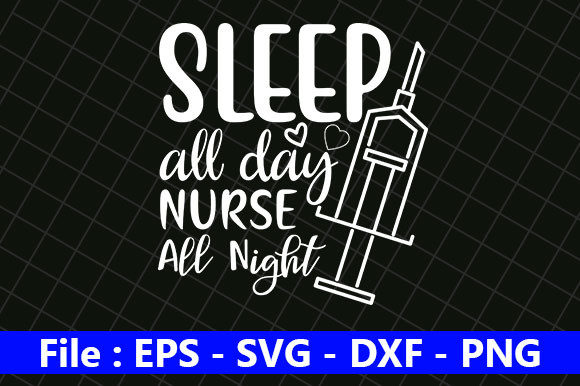
From the first glance, "Sleep All Day Nurse All Night" design hits with a distinct, relatable personality. It's not a sterile or overly clinical graphic; it feels humorous and human, perfect for capturing the spirit of someone in the profession. The layout, with its clear text and accompanying thematic elements, creates a mood that’s both playful and proud. The detail level appears well-balanced for embroidery – it likely relies on clean shapes and readable lettering rather than overly intricate, tiny details that can become muddy in stitching. This visual personality tells me it naturally belongs to personalized gifts, custom apparel, and items meant to convey a specific, affectionate identity.
Where This Design Thrives in Embroidery Projects
Imagine you’re preparing a custom embroidered sweatshirt for a nurse friend’s birthday, or a tote bag for a nurse graduating their program. This design is a prime candidate. Its theme is instantly recognizable and emotionally engaging. On a sweatshirt or t-shirt, it would create a strong, personal statement. Stitched onto a tote bag used for work or everyday life, it adds a unique, handmade touch. For baby clothes or nursery decor items for a nursing parent, it becomes a sweet, sentimental nod. As an embroidered patch, it could be applied to caps, aprons, or backpacks, offering versatility.
For craft businesses and Etsy sellers, this design translates well into products like pillow covers, tea towels, or holiday gifts for medical professionals. The graphic quality makes it suitable for digital product previews and printable mockups to showcase your finished product listings. In commercial embroidery projects, such as creating merchandise for a hospital gift shop or a nursing school boutique, it provides a ready-made, appealing asset that resonates with a specific audience.
Practical Considerations for Stitching Success
While the design’s charm is clear, its success on a real product depends on thoughtful execution. The inclusion of multiple file formats – SVG, DXF, EPS, PNG – is a strong start, offering flexibility for different machines and software. However, the embroidery file itself needs to be assessed in context.
On small hoop sizes, the text, especially "All Day" and "All Night," needs to be checked for stitch clarity. Tiny lettering can become a blob if the stitch density is too high. Textured fabrics like some sweaters or stretch fabrics like t-shirts require proper stabilizer to keep the design crisp. Embroidering on dark fabric demands a thoughtful thread color contrast plan – a lighter underlay or bold top thread colors are crucial.
Curved surfaces like caps present a challenge for any design with a horizontal layout; you must ensure the design’s orientation and size adapt well to the curve. For products destined for frequent washing, like kitchen towels or everyday apparel, a robust stitch structure is key to longevity. Always test the design on scrap fabric first, matching the final project’s material. This reveals potential issues with detailed corners or dense stitch areas before committing to the final piece.
Enhancing Product Value and Customer Trust
Using a design like this effectively directly impacts your finished product’s appeal. When stitched cleanly, it boosts stitching clarity and visual appeal, which in turn raises the perceived product value. For a small shop product, a well-executed embroidery conveys professionalism and builds customer trust. The handmade presentation feels intentional and skilled, not haphazard.
This design supports brand consistency if you're a seller focusing on healthcare themes or personalized gifts. Its giftability is high – it’s easy for a buyer to envision it as a perfect present. For the creative entrepreneur, it’s a design asset that can be adapted across multiple products, from baby embroidery items to holiday embroidery gifts, increasing buyer engagement through relatable themes.
A Designer's Notes for Real-World Application
Before hooping your final project, here are my practical notes. First, check thread color contrast not just on screen, but with actual thread swatches against your background fabric. Review the stitch density in your software preview; look for areas that might be too packed, potentially causing puckering. Confirm your planned hoop size accommodates the entire design comfortably – don’t force it into a too-small hoop.
Inspect the small details in the provided files. Are there any exceptionally thin lines or minute spaces that might not translate well to satin stitch or fill stitch? It’s wise to test the design in black and white mockups to judge its form independent of color. Compare how it would look on both light and dark fabric texture backgrounds. Always use the proper stabilizer for your chosen fabric; this is non-negotiable for quality.
Finally, and critically, this design falls under the Crafts and Graphics category. You must confirm the licensing before selling finished items or digital products. Does the license permit use for personal and commercial projects? This step protects your craft business and ensures you’re using the digital embroidery file appropriately. Never assume.
Applying "Nurse Design, Sleep All Day Nurse All Night" to a real embroidery project is about pairing its inherent charm with meticulous craftsmanship. When you do that, you create a custom apparel piece, a personalized gift, or a small business merchandise item that genuinely connects with its wearer or recipient. That’s the real measure of a good design’s worth.