Messy Bun Nurse Life: A Designer's Project-Ready Review
Whenever a new embroidery design lands on my desk, the first question isn’t whether it’s nice to look at on screen. It’s whether it will translate into a beautiful, durable, and sellable finished product. When I opened Messy Bun Nurse Life Sublimation, I immediately pictured it on a soft, well-worn sweatshirt. That’s the kind of immediate, practical gut check that matters to anyone working with real fabric and real clients.
The Immediate Mood and Where It Naturally Belongs
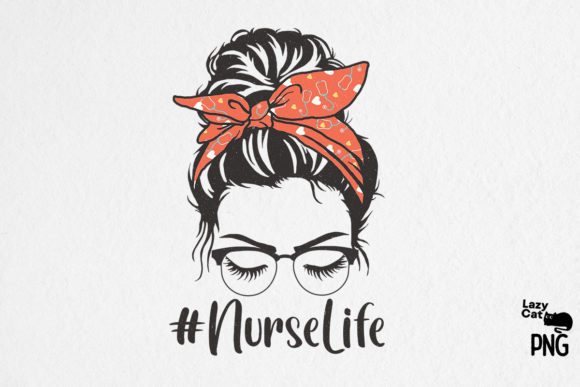
The design has a casual, friendly personality. The “messy bun” element is playful and relatable, while the “Nurse Life” text feels proud but not overly formal. It creates a mood of comfortable dedication. For me, this screams custom apparel. Think a cozy fleece jacket for a nurse finishing a long shift, or a breathable t-shirt for a nursing student. It would also be perfect for a tote bag used to carry supplies—a practical, personalized item with a lot of daily use and visibility.
The layout, with its central focus and clean surrounding space, is a gift for embroidery. It allows the design to breathe on the fabric without feeling crowded, which is crucial for visual appeal and stitching clarity. I appreciate the transparent background, as it gives me full control to place it on any color fabric without awkward white borders.
This isn’t a design I’d immediately put on a formal uniform or a tiny baby bib. Its personality is best suited for personalized gifts, small shop merchandise like caps or aprons for medical-themed boutiques, or craft fair products aimed at healthcare workers and their families.
Performance Across Real Embroidery Projects
Let’s walk through a real scenario. Imagine you’re preparing a custom embroidered tote bag as a holiday gift for a nurse friend. You’ve chosen a sturdy canvas fabric. Here’s how Messy Bun Nurse Life would perform.
The generous 12x12 inch starting size means you can resize confidently. For a tote bag front, you might scale it down to a 6-inch width. At that size, the details should remain clear, but this is where you need to be vigilant. Before you stitch the final product, test it on scrap fabric first. Check the stitch density at your chosen size—particularly in any potential dense areas like the bun’s outline. Ensure your hoop size and stabilizer are appropriate for the textured canvas.
For apparel like sweatshirts or t-shirts, the design’s relaxed vibe fits perfectly. On a dark fabric, you’d need to carefully plan your thread color contrast. A light, creamy fill stitch for the text against a navy sweatshirt could look fantastic. On stretchy fabric, proper stabilization is non-negotiable to prevent distortion.
For commercial embroidery projects, such as producing a batch of patches for a local clinic’s fundraiser, the design’s recognizability adds value. It’s instantly understood and appreciated, which boosts buyer engagement. As a craft business owner, you could easily integrate this into a line of nurse-themed embroidered patches, pillow covers for recovery rooms, or even kitchen towels as a lighthearted gift.
Areas for Careful Application
While versatile, some applications require extra thought. On very small hoop sizes, the fine details might become muddled if reduced too much. I’d avoid putting it on extremely thin fabrics without extensive testing, as a dense fill stitch could overwhelm the material. Curved surfaces like caps are possible, but you’d need to consider how the circular layout interacts with the cap’s seam.
The “Nurse Life” lettering is a key element. At smaller scales, ensure the satin stitch or running stitch used remains clean and legible. This directly impacts customer trust and the professionalism of your handmade product. A blurry word on a gift undermines the entire effort.
For products needing frequent washing, like baby clothes if adapted, or kitchen towels, consider using robust threads and potentially simplifying the design slightly for longevity. Always check licensing before selling finished items to ensure your craft business or Etsy listings are compliant.
How This Design Elevates Your Finished Product
From a designer’s perspective, a good embroidery file doesn’t just decorate fabric; it enhances the product’s story and value. Messy Bun Nurse Life does this well. It adds a layer of personal connection, making a simple sweatshirt feel like a tailored statement. This boosts its giftability and makes it a strong candidate for personalized products in your small shop.
For digital product sellers, this graphics file serves as a solid design asset for creating printable mockups to showcase your embroidery services. Showing it on a mockup of an apron or a pillow cover in your online store can instantly communicate its application.
The visual appeal translates into stitching clarity when handled correctly, which in turn builds brand consistency for entrepreneurs. If you produce a line of healthcare-themed items, this design’s friendly tone can become a recognizable part of your collection.
A Practical Checklist Before You Stitch
My final advice, as someone who has learned from both successes and mishaps, is to follow a simple pre-flight routine.
- Always test on scrap fabric matching your final project’s texture and color.
- Review stitch density at your chosen size in your machine software.
- Check thread color contrast by viewing the design in black and white mockups—this highlights value contrasts.
- Inspect small details like the bun’s outline and lettering corners to ensure they’ll stitch cleanly.
- Compare light and dark fabric backgrounds digitally to plan your thread palette.
- Confirm licensing for your use, whether for personal gifts or commercial embroidery projects.
- Remember, while the file is ideal for a multitude of creative projects, your expertise in adapting it for embroidery—with proper stabilizer and hoop technique—makes the final product shine.
In the world of crafts, a design like Messy Bun Nurse Life Sublimation is more than a graphic; it’s a potential centerpiece for a meaningful, well-crafted item. Approach it with practical preparation, and it will reward you with a finished product that feels both professional and warmly human.