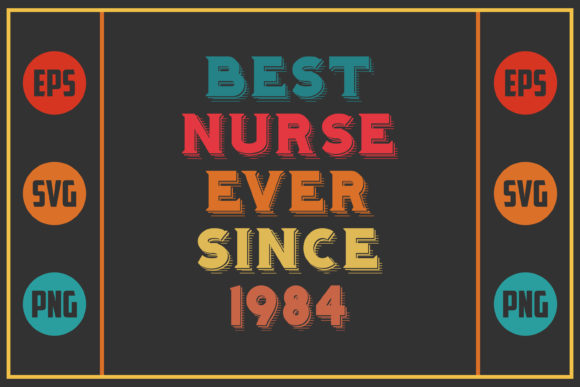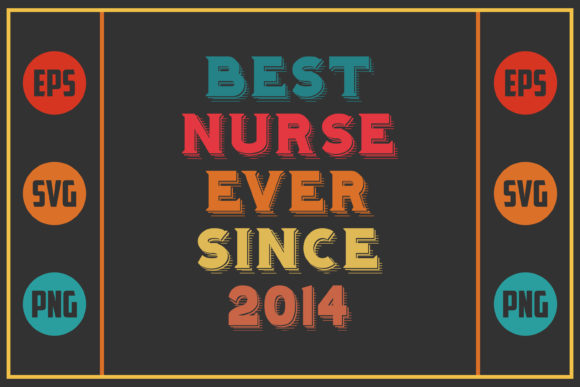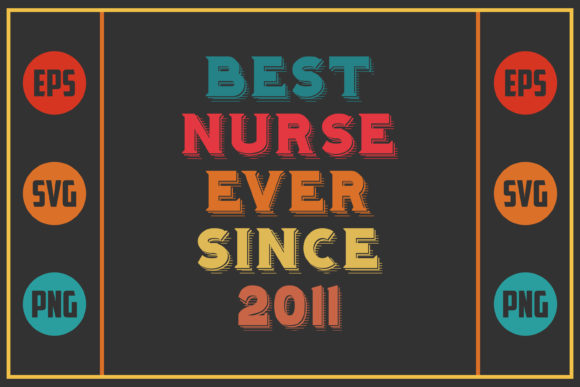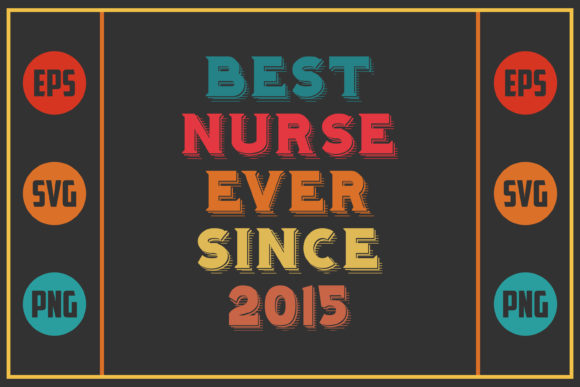
Evaluating "Best Nurse Ever Since 2015" for Real Embroidery Projects
When a new embroidery design lands in your library, the first thing you do as a working designer is to imagine it stitched out. You picture the thread, the fabric, and ultimately, the final product. That’s exactly how I approached “Best Nurse Ever Since 2015”. This isn’t just a file; it’s a potential project. So, let’s walk through what it offers, where it shines, and what to watch for when putting it into real-world use.
The Immediate Mood and Visual Personality
Right away, this design speaks to a specific, heartfelt appreciation. The phrasing “Since 2015” isn’t generic; it adds a layer of personal history and milestone recognition. Visually, I expect a layout that balances the celebratory text with perhaps a subtle nod to nursing—maybe a clean, symbolic icon or a tasteful flourish. The overall mood is professional gratitude, not cartoonish whimsy. That makes it feel elevated and suitable for a grown-up gift or a serious acknowledgement. For embroidery, this translates into a design that needs clarity and stitch integrity to carry that dignified sentiment.
Where This Design Naturally Belongs
In my mind, I immediately start placing it on products. A classic scenario: a client requests a custom embroidered tote bag for a nurse retiring after a long career, starting in 2015. This design is a perfect fit. Its theme is direct and meaningful. I’d also consider it for:
- Premium sweatshirts or polo shirts for a healthcare team celebration.
- A discreet, high-quality patch on a durable apron.
- A framed, embroidered pillow cover or tea towel as a keepsake gift.
- Embroidered on a baby blanket or nursery decor item for a nurse-mom, blending professional pride with personal life.
The key here is that the product should support the weight of the message. This isn’t a casual, throwaway graphic; it’s a statement. Using it on a well-made, high-quality base—like a thick cotton tote or a soft fleece blanket—enhances its value and the customer’s perception of your handmade work.
Performance on Actual Projects: A Practical Walkthrough
Moving from idea to hoop, here’s how I see “Best Nurse Ever Since 2015” performing. On custom apparel, like t-shirts or caps, the stitch density and detail level will be crucial. If the design includes small lettering for “Since 2015,” you’ll need to ensure your machine embroidery settings are fine-tuned to maintain readability, especially on stretchy fabrics. For a tote bag or apron, which are less prone to distortion, the design will likely look crisp and professional.
For craft business items—say, a line of nurse-themed holiday gifts for an Etsy shop or craft fair—this design adds immediate recognition. It taps into a clear niche. When creating printable mockups for your digital product listings or using it as a design asset for commercial embroidery projects, its specificity is a strength. It shows potential buyers exactly what emotion the finished product will convey.
Caution Zones: Where to Use With Care
Every design has its tricky applications. For this one, I’d be cautious on:
- Very small hoop sizes if the design is complex. Compressing the details could muddy the message.
- Highly textured or thin fabrics like certain knits or sheer linens, where fine details might get lost or the fabric could pucker.
- Dark fabric backgrounds without careful thread color planning. You need strong contrast for the text to pop, especially the year.
- Curved surfaces like caps where the design layout might need adjustment to sit flat without distortion.
- Products requiring frequent washing, like kitchen towels. You’d want to test stitch durability and use robust stabilizer to ensure the embroidery, particularly any tiny numbers, holds up.
The core idea is to match the design’s inherent dignity with a fabrication method that honors it. A sloppy application on an unsuitable item undermines the trust your customer places in your handmade presentation.
Impact on Value, Trust, and Giftability
From a business perspective, using a design like this effectively can elevate your product. When embroidered cleanly on a good item, it feels like a considered, professional gift. It boosts the perceived value because the sentiment is uniquely timed. For a nurse who started their journey in 2015, it’s more personal than a generic “Best Nurse” design. That specificity builds customer engagement—they feel you’ve understood a nuance. For brand consistency, if you’re a seller focusing on appreciation-themed products, this fits beautifully. It speaks to a realistic, human need for acknowledgement, which is a powerful driver for sales.
Essential Designer Notes Before You Stitch
Before you load this embroidery file into your machine or prepare it for a client project, here’s my standard checklist:
- Always test on scrap fabric first, using the same material and stabilizer you plan for the final product. This reveals any issues with stitch density or small detail clarity.
- Check thread color contrast against your background fabric. Run a mental test: how will “2015” read on a light vs. dark background?
- Review the design in your software at the intended hoop size. Inspect any potential trouble spots like tight corners or very fine lines.
- Consider its use in both personal and commercial projects. The product description notes it’s a digital download with an SVG file. This suggests adaptability, but always confirm the licensing terms before selling finished items or incorporating it into digital products for resale. Don’t assume.
- Use proper stabilizer for the fabric choice. This is non-negotiable for maintaining the design’s professional look.
- Think about giftability and presentation. A design with this personal touch should be paired with quality finishing—clean edges, secure stitching, and perhaps thoughtful packaging.
Ultimately, “Best Nurse Ever Since 2015” is more than a Crafts & Graphics file. It’s a tool for creating something with genuine emotional resonance. Its success in your embroidery project hinges on treating it with that same respect: careful testing, thoughtful application, and pairing it with products that deserve its message. When done right, it can result in a finished product that feels both professionally crafted and deeply personal—the best combination for any maker.