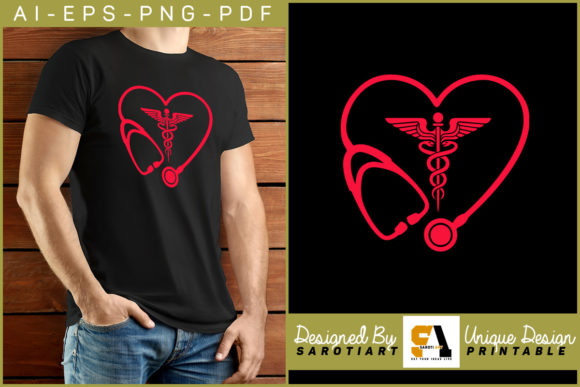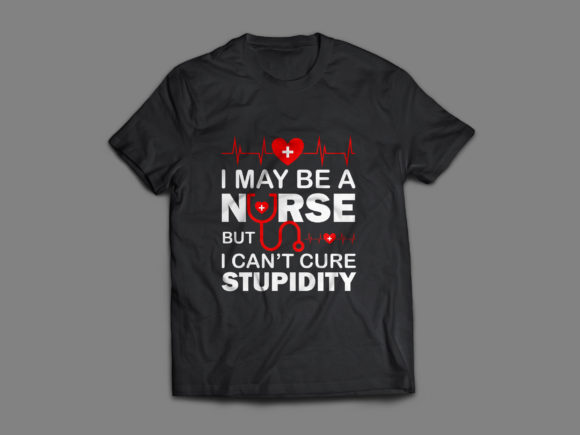
A Real-World Look at the Nurse T-Shirts Design Vector Graphic
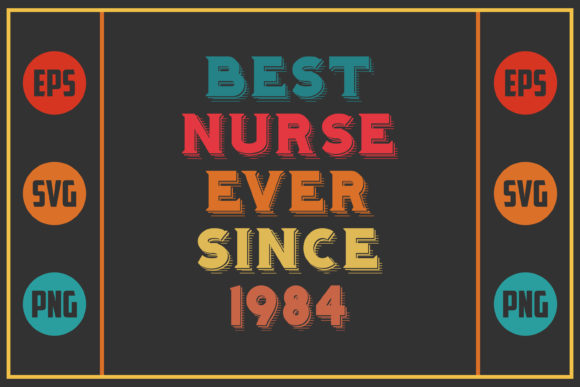
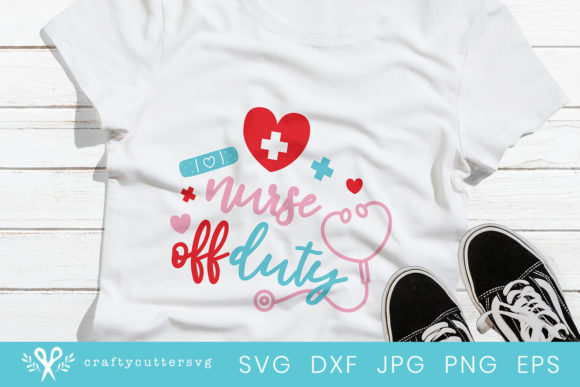
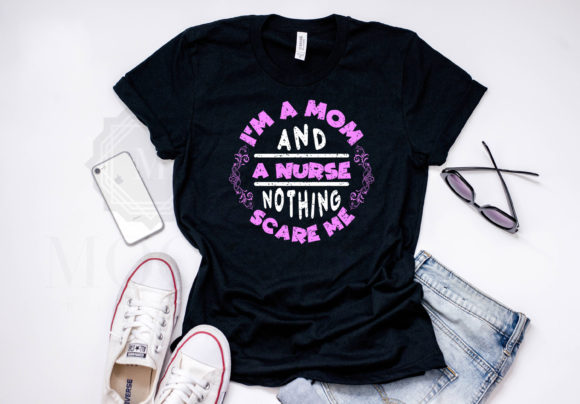
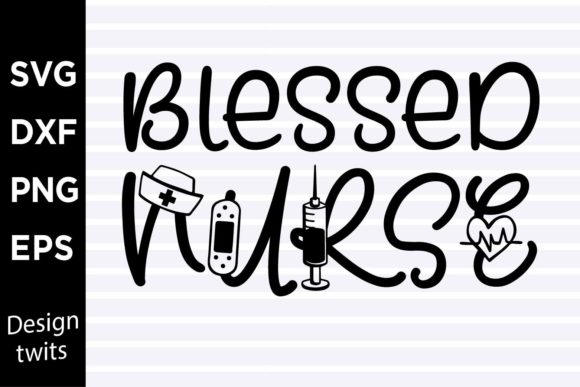
Whenever I’m evaluating a vector graphic for embroidery, I’m not just looking at it on screen. I’m picturing it stitched out, on fabric, in someone’s hands. The Nurse T-Shirts Design Vector Graphic immediately struck me as a design with clear purpose and potential. It’s not overly fussy; it carries a sense of pride and recognition. The theme is straightforward and heartfelt, which is exactly what you want when creating items for nurses—whether as a personal gift, a uniform embellishment, or merchandise for a healthcare-focused small business.
The First Impression: Where Does This Design Belong?
Opening this design, you get a sense of its versatility. The layout feels balanced, and the detail level appears manageable for conversion into an embroidery file. This isn't a design that screams “complex digitizing nightmare.” Instead, its visual personality is professional yet approachable, making it a natural fit for custom apparel like t-shirts and sweatshirts, but also for tangible, everyday items. I immediately pictured it on a sturdy canvas tote bag a nurse might carry to work, or as a subtle, proud detail on a high-quality apron for a home health aide. The mood it creates is one of appreciation and identity.
Putting It to Work: Real-Life Embroidery Scenarios
Let’s walk through a common scenario. Say a client, or perhaps your own craft business, wants to create a batch of embroidered tote bags as holiday gifts for a nursing staff. You’ve sourced good-quality bags. Now, you need a design that will stitch cleanly, look professional, and feel meaningful. The Nurse T-Shirts Design Vector Graphic comes into play here.
Because it’s described as a vector file, the key advantage is its scalability. You can adjust it for a large central motif on the bag or a smaller, more discreet placement without losing quality. This is crucial for embroidery projects where hoop size varies. For a sweatshirt embroidery, you might scale it up for a bold chest logo. For a baby’s onesie—perhaps a gift for a new nurse mom—you’d scale it down to a cute, smaller size. It naturally extends to embroidered patches, pillow covers for a nurse’s lounge, or even decorative kitchen towels as a personalized kitchen gift.
The product description mentions use on mugs and posters, which speaks to its utility for printable mockups and digital product previews. For an Etsy seller offering digital files, this versatility is a selling point. However, my focus is the stitched finished product. On darker fabric, like a navy sweatshirt, you’d need to plan your thread colors carefully to ensure contrast and clarity. On a light-colored baby blanket, it would pop beautifully.
Careful Considerations for Stitching Success
No design is universally perfect for every application. Here’s where practical judgment comes in. The Nurse T-Shirts Design Vector Graphic appears to have elements that, depending on the exact composition, might require some attention during digitizing.
If the design contains very tiny lettering or intricate decorative accents, these areas could become problematic on small hoop sizes or on textured fabrics like some fleeces. Stitch density in any filled areas needs to be managed to avoid a stiff, bulky feel on lightweight tees or stretchy fabric. Embroidering on curved surfaces like caps requires a simplified, robust version of the design—some fine details might need to be softened for durability and visual clarity.
For products that need frequent washing, such as workwear or baby clothes, the integrity of the design matters. You’d want to ensure the digitized version uses secure stitch types and appropriate stabilizer. A dense, overly complex satin stitch fill in a small area might not wear as well as a simpler running stitch outline for certain elements. This is why testing on scrap fabric first is non-negotiable.
How This Design Impacts Your Project’s Appeal
Using a clean, recognizable graphic like this directly affects customer trust and product value. It feels intentional. A handmade tote bag with a well-executed, profession-specific embroidery design looks more like a thoughtful, high-value item than a generic craft. This boosts giftability and professionalism. For a creative entrepreneur selling at a craft fair, it helps with brand consistency if you offer a line of nurse-themed products. It engages buyers because it speaks directly to a specific, appreciative audience.
The visual appeal after stitching hinges on your digitizing skill and material choices. With good thread color contrast and proper hooping, this design should result in clear, sharp stitching that honors the original vector’s intent. That clarity translates to recognition—the finished product immediately communicates its purpose, which is powerful for commercial embroidery projects or small shop merchandise.
Practical Notes from the Embroidery Desk
Before you run this design on your machine, here’s my streamlined checklist. First, remember the product description notes it’s a vector file. This is excellent for modification, but you must convert it to a proper machine embroidery design format. Do not assume the provided EPS file is an embroidery file. You or your digitizer will need to create one.
- Always test the design on scrap fabric that matches your final project’s weight and texture.
- Check thread color contrast against your final fabric by stitching a small section or even creating simple black and white mockups to study form.
- Review stitch density in your digitized version—are filled areas too thick for a lightweight t-shirt?
- Confirm hoop size compatibility. Does the design scale well to your intended hoop without losing detail?
- Inspect small details like fine lines or corners. Will they stitch cleanly, or do they need simplification?
- If using for both personal and commercial projects, confirm licensing before selling finished items. The product description doesn’t specify license terms, so this is a vital step.
Finally, consider the background. Try a test on both light and dark fabric to see how the design holds up. A design that works on a white polo shirt might need significant thread color adjustments for a black cap. Using the proper stabilizer for each fabric type is the unsung hero that makes this Nurse T-Shirts Design Vector Graphic shine in its final, stitched form.
In essence, this graphic is a strong foundation. It has the visual personality and scalability to become excellent embroidery project. Your skill as a maker or designer will determine how it performs in real life—on that tote bag, sweatshirt, or baby blanket. Approach it with a practical, observant eye, and it will likely reward you with a clean, meaningful finished product that resonates deeply with its recipient.